299 Quail St, Van, TX 75790


How Can I Permanently Fix Bad Breath?
in Van, TX

How Can I Permanently Fix Bad Breath?
Bad breath, also known as halitosis, can be an embarrassing issue that affects your confidence and social interactions. Whether it’s a lingering problem or an occasional concern, you’re not alone in wanting a permanent solution. The good news? With the right habits, professional care, and a bit of diligence, you can tackle bad breath for good. In this blog, we’ll
Bad breath, also known as halitosis, can be an embarrassing issue that affects your confidence and social interactions. Whether it’s a lingering problem or an occasional concern, you’re not alone in wanting a permanent solution. The good news? With the right habits, professional care, and a bit of diligence, you can tackle bad breath for good. In this blog, we’ll explore the causes of halitosis, share actionable tips to fix it, and guide you on when to seek expert help. Let’s dive into a fresher, more confident you!
What Causes Bad Breath?
Understanding the root cause of bad breath is the first step to fixing it. Halitosis can stem from various sources. Poor oral hygiene is a common culprit—when food particles linger in your mouth, bacteria break them down, releasing foul-smelling compounds. Dry mouth, often caused by dehydration or certain medications, reduces saliva flow, allowing odor-causing bacteria to thrive. Other causes include gum disease, tooth decay, and infections like tonsillitis. Lifestyle factors such as smoking, crash diets, or eating strong-smelling foods like garlic and onions can also contribute. In some cases, medical conditions like acid reflux, sinus infections, or diabetes may be to blame. Identifying the cause helps you target the right solution.
Daily Habits to Combat Bad Breath
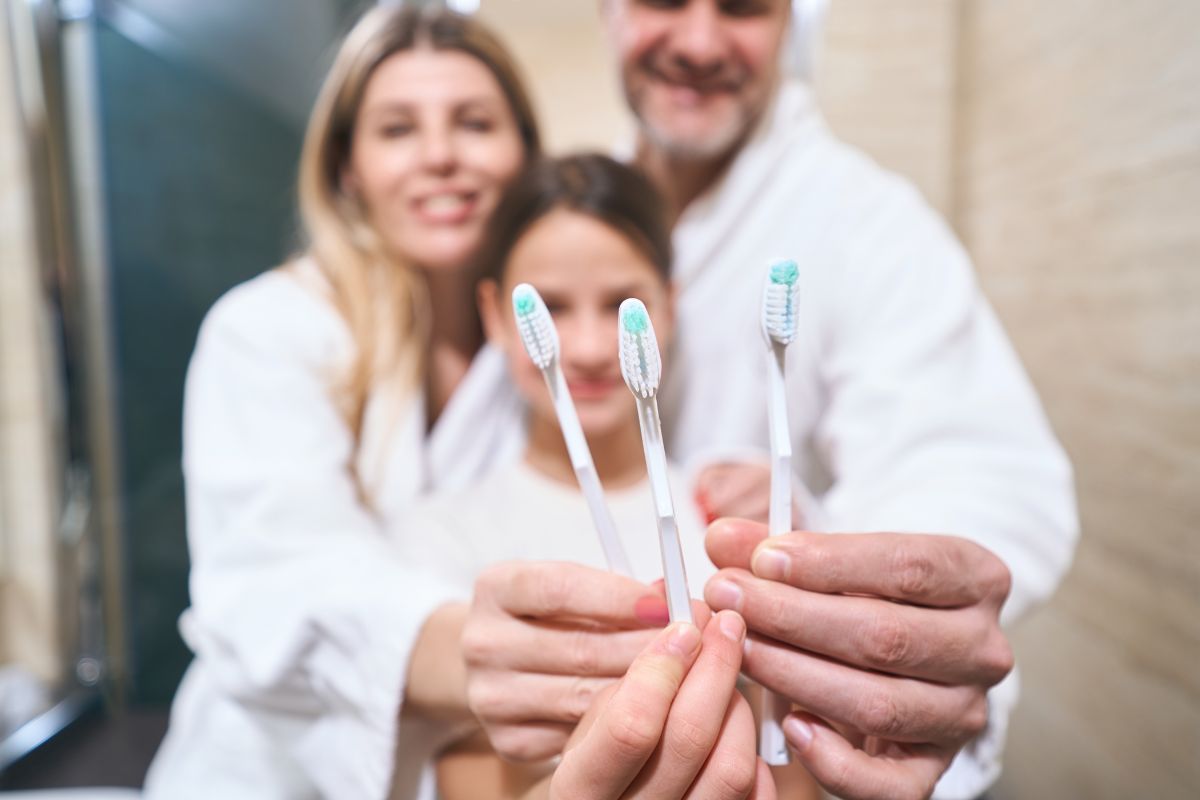
Fixing bad breath starts with consistent oral care. Brush your teeth twice a day for two minutes, using a fluoride toothpaste. Don’t forget to clean your tongue—bacteria often hide there. Use a tongue scraper or your toothbrush to gently remove buildup. Floss daily to clear food particles between teeth that brushing misses. Stay hydrated by drinking plenty of water to keep your mouth moist and rinse away bacteria. Chewing sugar-free gum with xylitol can stimulate saliva production, reducing dry mouth. Avoid tobacco products, as they not only cause bad breath but also harm your overall oral health. Lastly, limit foods with strong odors and rinse your mouth after eating them. These habits can make a big difference over time.
The Role of Diet in Fresh Breath
What you eat plays a big role in your breath. Foods like garlic, onions, and certain spices can leave a lingering smell. On the other hand, crunchy fruits and vegetables like apples, carrots, and celery can help clean your teeth naturally as you chew. Leafy greens such as spinach and parsley contain chlorophyll, which neutralizes odors. Probiotic-rich foods like yogurt can balance the bacteria in your mouth, reducing odor-causing microbes. Avoid sugary snacks and drinks, as they feed harmful bacteria that produce smelly compounds. Drinking green tea, which has antibacterial properties, can also help keep your breath fresh. A balanced diet supports not just your breath but your overall oral wellness.
When to Visit a Family Dentist in Van, TX
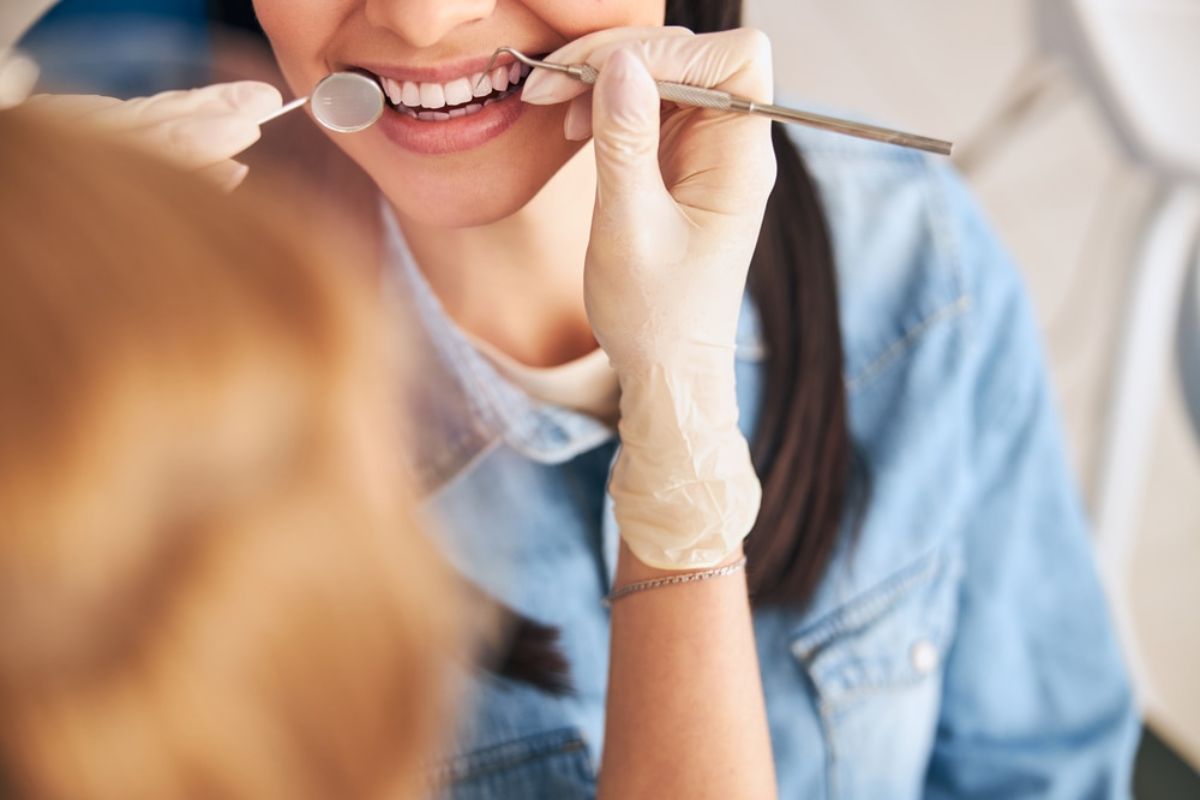
Sometimes, at-home remedies aren’t enough to tackle persistent bad breath. That’s when professional help becomes essential. A family dentist in Van, TX, can provide a thorough examination to identify underlying issues like gum disease, cavities, or infections. They may recommend a deep cleaning to remove plaque and tartar buildup, which can harbor odor-causing bacteria. Regular dental checkups also ensure early detection of problems that could worsen halitosis. If you’re in the area, scheduling an appointment with a trusted dental professional can set you on the path to lasting fresh breath. Don’t let embarrassment hold you back—dentists are there to help with solutions tailored to your needs.
Professional Treatments at a Dental Office in Van, TX
For stubborn cases of bad breath, professional treatments can be a game-changer. At a dental office in Van, TX, you can access advanced care to address halitosis. Dentists may perform scaling and root planing to treat gum disease, a common cause of bad breath. If dry mouth is the issue, they might suggest saliva-stimulating products or review your medications with you. For those with tooth decay or infections, treatments like fillings or antibiotics can resolve the problem. Some offices also offer oral health screenings to check for systemic conditions linked to bad breath. Visiting a local dental practice ensures you get personalized care to keep your breath fresh and your smile healthy.
Home Remedies to Support Fresh Breath
In addition to professional care, natural remedies can complement your efforts. Rinse your mouth with a mix of water and a few drops of peppermint essential oil for a refreshing effect. Baking soda mixed with water can neutralize acids and reduce bacteria—use it as a mouthwash once a week. Chewing on fresh herbs like mint, parsley, or basil can mask odors while offering antibacterial benefits. A saltwater rinse can also help by killing bacteria and soothing inflamed gums. These remedies are simple and effective but should be paired with good oral hygiene and professional advice for the best results.
Trending FAQs on Fixing Bad Breath
Here are answers to some frequently asked questions about bad breath, based on what people often search for online:
- What is the best cure for bad breath? Consistent oral hygiene, including brushing, flossing, and tongue cleaning, paired with regular dental visits, is the most effective way to cure bad breath long-term.
- Can bad breath be a sign of a serious problem? Yes, persistent bad breath can indicate issues like gum disease, infections, or medical conditions such as diabetes or acid reflux. Consult a dentist if it doesn’t improve.
- Does drinking water help with bad breath? Absolutely—water keeps your mouth hydrated, washes away bacteria, and prevents dry mouth, a common cause of halitosis.
- How can I tell if I have bad breath? You can ask a trusted friend, use a breath test kit, or lick the back of your hand, let it dry, and smell it for an odor.
These questions reflect common concerns and show how a mix of self-care and professional guidance can address bad breath effectively.
How to Maintain Fresh Breath Long-Term
Preventing bad breath from returning requires ongoing effort. Stick to your oral hygiene routine—brushing, flossing, and tongue cleaning should be non-negotiable. Schedule dental checkups twice a year to catch issues early. Keep up with a breath-friendly diet, focusing on whole foods and minimizing sugary snacks. If you smoke, consider quitting, as tobacco is a major contributor to halitosis. Use an alcohol-free mouthwash to avoid drying out your mouth. If you wear dentures or braces, clean them thoroughly to prevent bacteria buildup. Finally, address any underlying health conditions with your doctor, as they can impact your breath. Consistency is key to keeping your breath fresh for the long haul.
A Fresh Start for Your Breath
Banishing bad breath permanently is within your reach with the right approach. By understanding its causes, adopting healthy habits, and seeking professional care when needed, you can enjoy fresh breath and renewed confidence. Whether it’s tweaking your diet, trying natural remedies, or visiting a dentist, every step you take brings you closer to a healthier smile. Take charge of your oral health today—your future self will thank you for it!