299 Quail St, Van, TX 75790


What to Do If You Crack or Break a Tooth Suddenly
in Van, TX
What to Do If You Crack or Break a Tooth Suddenly
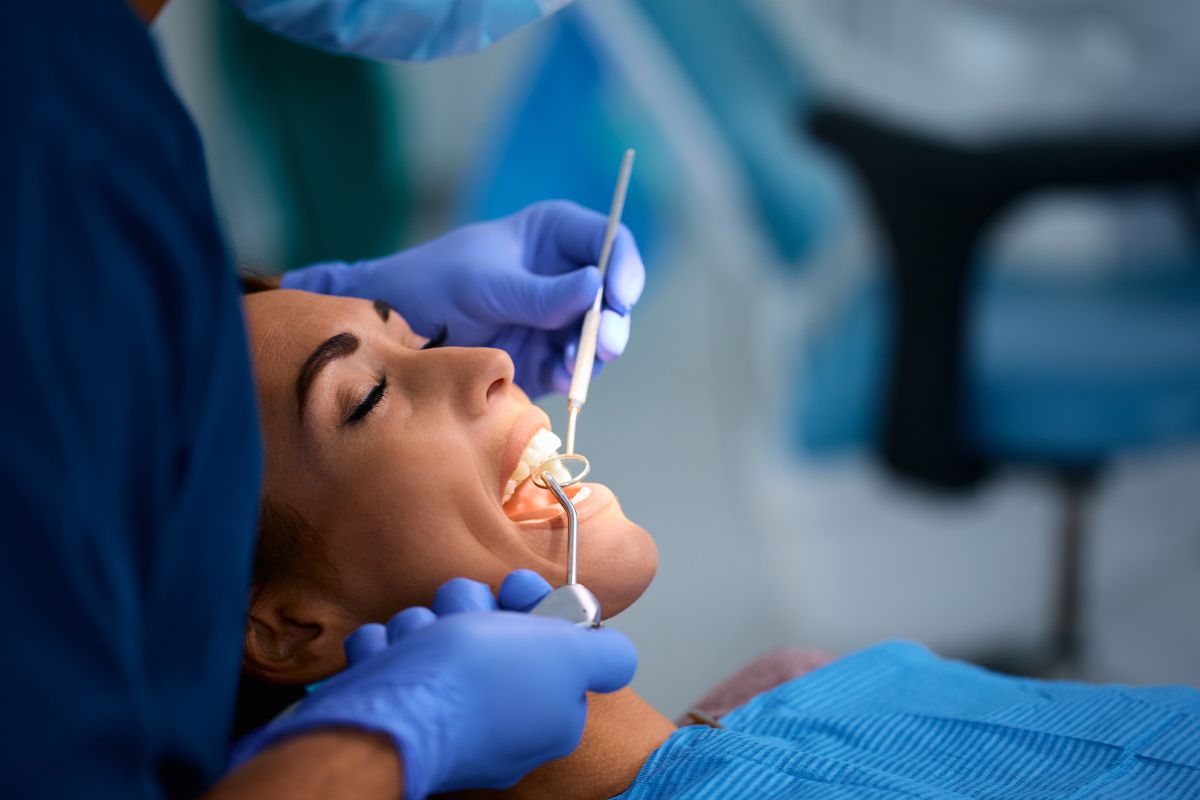
A sudden crack or break in your tooth can be alarming, whether it happens while biting into a hard piece of candy or during an unexpected fall. The sharp pain, sensitivity, or jagged edge can disrupt your day and leave you wondering what to do next. Don’t panic—taking the right steps immediately can make a big difference in saving your
A sudden crack or break in your tooth can be alarming, whether it happens while biting into a hard piece of candy or during an unexpected fall. The sharp pain, sensitivity, or jagged edge can disrupt your day and leave you wondering what to do next. Don’t panic—taking the right steps immediately can make a big difference in saving your tooth and preventing further complications. This guide from Cornerstone Dentistry walks you through exactly what to do if you experience a dental emergency like a cracked or broken tooth, offering practical advice to keep you calm and your smile intact.
Understanding a Cracked or Broken Tooth
A cracked or broken tooth can vary in severity, from a minor chip in the enamel to a deep fracture reaching the tooth’s root. Common causes include biting down on hard foods, trauma from sports or accidents, or weakened teeth due to decay. Symptoms often include sharp pain when chewing, sensitivity to hot or cold, or swelling around the gums. Recognizing the type of damage is key to knowing how urgently you need care.
Types of Tooth Damage
- Craze Lines: Tiny, superficial cracks in the enamel, usually painless and cosmetic.
- Chipped Tooth: A small piece of enamel breaks off, often manageable but potentially sharp.
- Cracked Tooth: A deeper crack extending toward the root, causing pain or sensitivity.
- Fractured Cusp: A break around a filling or chewing surface, typically not severe.
- Split Tooth: A severe crack splitting the tooth, often requiring extraction.
- Vertical Root Fracture: A crack starting below the gum line, which may not cause immediate symptoms but risks infection.
Each type requires different care, so quick action is crucial to prevent worsening damage or infection.
Immediate Steps to Take After Breaking a Tooth
If you crack or break a tooth, stay calm and follow these steps to protect your oral health until you can see a professional:
- Rinse Your Mouth: Gently rinse with warm water to clean the area and remove debris. This helps prevent infection and gives you a clearer view of the damage.
- Save Tooth Fragments: If a piece of the tooth broke off, store it in milk or a tooth preservation kit. In some cases, a dentist may reattach it.
- Control Bleeding: Apply a clean gauze or cloth to any bleeding area for 10–15 minutes until it stops.
- Manage Pain and Swelling: Use a cold compress on your cheek near the affected area to reduce swelling. Over-the-counter pain relievers like ibuprofen or acetaminophen can help, but avoid aspirin if there’s bleeding, as it may worsen it.
- Protect Sharp Edges: Cover jagged edges with dental wax or sugarless gum to prevent injury to your tongue or cheeks.
These steps stabilize the situation, but seeing a dentist as soon as possible is essential, especially for severe cracks or knocked-out teeth.
Why You Should See an Emergency Dentist in Van, TX
For significant tooth damage, like a cracked or split tooth, prompt care from an emergency dentist in Van, TX, can mean the difference between saving or losing the tooth. Delaying treatment risks infection, further damage, or alignment issues. Emergency dentists are equipped to handle urgent cases, offering same-day appointments and advanced treatments like bonding, crowns, or root canals to restore your smile. Acting quickly ensures the best outcome for your oral health.
Treatment Options for a Cracked or Broken Tooth
Once you reach a dentist, they’ll assess the damage using tools like X-rays or transillumination to determine the crack’s extent. Treatment depends on the severity:
- Minor Chips: Smoothing the edges or applying composite bonding to restore the tooth’s shape.
- Cracked Tooth: A dental crown to protect and support the tooth, or a root canal if the pulp is damaged.
- Split Tooth or Severe Fracture: Extraction may be necessary, followed by options like implants or bridges.
- Vertical Root Fracture: Often requires extraction, but early intervention may save the tooth.
Your dentist will tailor the treatment to preserve your natural tooth whenever possible, ensuring both function and aesthetics.
Trending FAQs on Cracked or Broken Teeth
Here are answers to common questions people ask about cracked or broken teeth, based on frequent searches:
- Can a cracked tooth heal on its own?
No, teeth cannot self-repair like bones. Prompt dental care is needed to prevent worsening damage or infection. - Is a cracked tooth a dental emergency?
It depends. Minor chips may wait a few days, but severe cracks, pain, or swelling require immediate attention. - What if I can’t see a dentist right away?
Rinse with warm water, manage pain with over-the-counter medication, and protect the tooth until you can get care. - Can a broken tooth cause an infection?
Yes, cracks can allow bacteria to enter the tooth’s pulp, leading to abscesses or gum infections if untreated. - What should I avoid after breaking a tooth?
Avoid chewing on the affected side, hard foods, or extreme temperatures to prevent further damage.
These answers address common concerns, helping you understand the urgency and care needed for a broken tooth.
Preventing Future Dental Emergencies
Prevention is always better than treatment. To protect your teeth from cracks or breaks:
- Wear a Mouthguard: Use one during sports or if you grind your teeth at night.
- Avoid Hard Foods: Skip chewing ice, popcorn kernels, or hard candy.
- Maintain Oral Hygiene: Brush and floss daily to prevent decay that weakens teeth.
- Visit Your Local Dentist Near You Regularly: Routine checkups can catch weakened teeth early, reducing the risk of fractures.
Incorporating these habits strengthens your teeth and minimizes the chance of unexpected damage.
How to Prepare for Dental Emergencies
Being prepared can make handling a dental emergency less stressful. Keep a small dental first-aid kit with gauze, pain relievers, and a container for tooth fragments. If you’re active in sports or outdoor activities in Van, TX, carry a mouthguard and know the contact details of a trusted emergency dentist. Quick access to professional care can save your tooth and reduce complications.
When to Seek Immediate Care
Not every cracked tooth is an emergency, but certain symptoms signal the need for urgent care:
- Severe pain or sensitivity that doesn’t subside.
- Swelling in the gums or face.
- A knocked-out tooth or large fracture.
- Bleeding that won’t stop after 10–15 minutes.
If you experience these, contact a dentist immediately or visit an emergency room if after-hours. For minor chips without pain, schedule a visit within a day or two to prevent further issues.
Conclusion: Act Fast to Protect Your Smile
A cracked or broken tooth can feel overwhelming, but swift action and professional care can restore your smile and confidence. By following the steps outlined—rinsing, saving fragments, and seeking help—you can minimize damage and complications. Whether you’re enjoying a barbecue in Van, TX, or playing sports, accidents happen, but being prepared makes all the difference. For expert care, contact your local dentist near you at 903-963-6158 to schedule an appointment and get back to smiling with confidence.