299 Quail St, Van, TX 75790


Creating Positive Dental Habits at Home: Tips from a Family Dentistry Expert
in Van, TX
Creating Positive Dental Habits at Home: Tips from a Family Dentistry Expert
Maintaining a healthy smile doesn’t start in the dental chair—it begins at home. Good oral hygiene habits built early and practiced consistently can make a lasting difference for every member of your family. From young children learning to brush for the first time to adults managing busy schedules, creating positive dental routines at home is essential for long-term oral health.
Maintaining a healthy smile doesn’t start in the dental chair—it begins at home. Good oral hygiene habits built early and practiced consistently can make a lasting difference for every member of your family. From young children learning to brush for the first time to adults managing busy schedules, creating positive dental routines at home is essential for long-term oral health.
A trusted dentist will always emphasize that prevention is better than treatment. By focusing on simple, daily habits, families can reduce the risk of cavities, gum disease, and other dental issues while promoting confident, healthy smiles.
Why At-Home Dental Habits Matter
Daily routines play a major role in maintaining oral health. While regular dental visits are important, what you do between appointments has the biggest impact. Consistent brushing, flossing, and mindful eating habits help remove plaque, strengthen enamel, and prevent common dental problems.
For families, establishing these habits together not only improves oral health but also creates a sense of accountability and consistency among all members.
Start with the Basics: Brushing and Flossing
The foundation of good oral hygiene starts with proper brushing and flossing techniques.
- Brush twice a day using a soft-bristled toothbrush and fluoride toothpaste
- Spend at least two minutes brushing, ensuring all surfaces are covered
- Floss daily to remove food particles and plaque between teeth
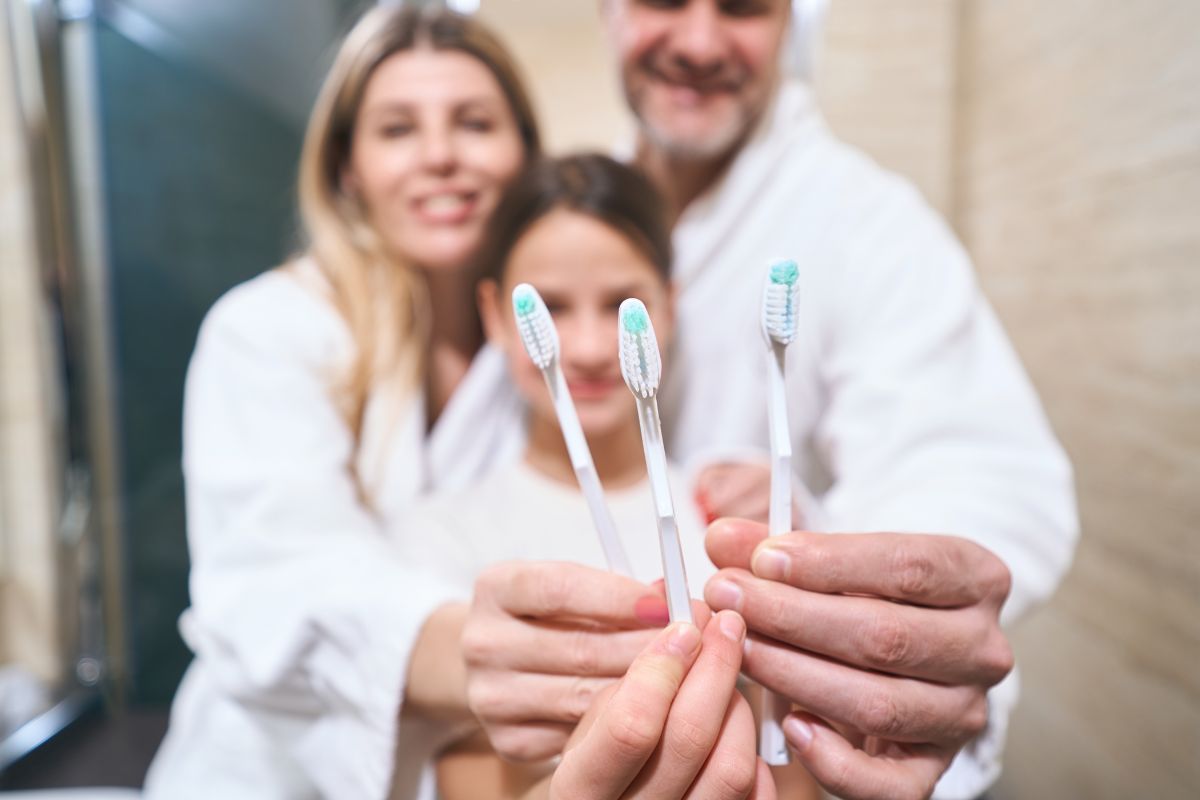
- Replace toothbrushes every three to four months or sooner if bristles wear out
For children, parents should supervise brushing until they develop the coordination to do it effectively on their own.
Make Dental Care a Family Routine
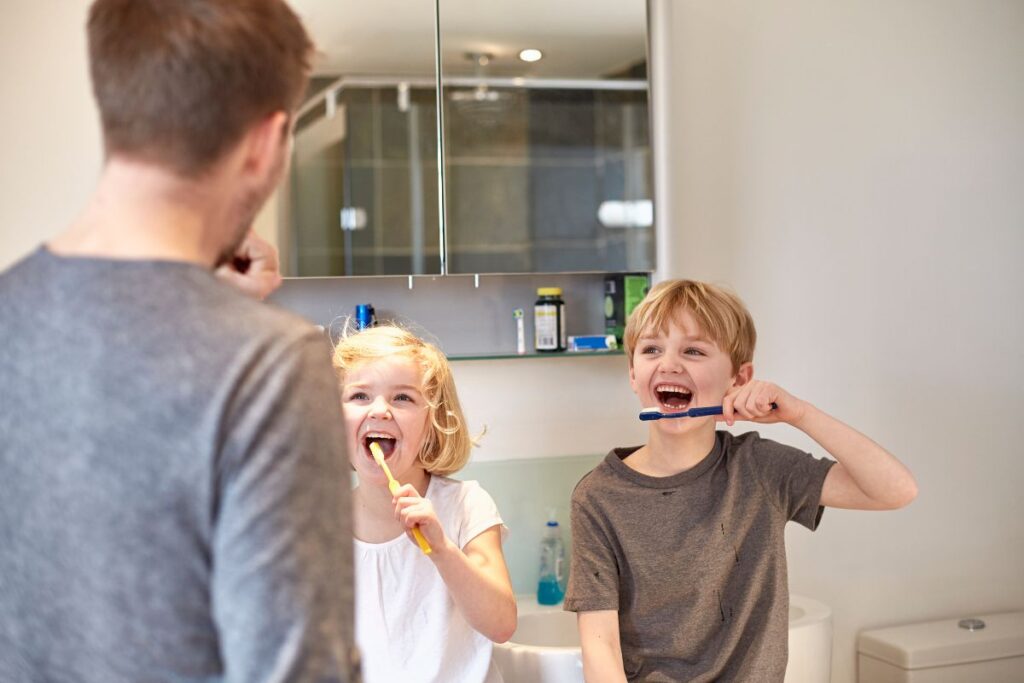
One of the easiest ways to build consistent habits is to make oral care a shared activity. When everyone in the household brushes and flosses at the same time, it reinforces the importance of dental hygiene.
Consider setting a routine in the morning and before bedtime. Younger children are more likely to follow through when they see adults leading by example.
Encourage Healthy Eating Habits
Diet plays a crucial role in oral health. Sugary snacks and beverages can increase the risk of tooth decay, while nutrient-rich foods support strong teeth and gums.
To promote better dental health at home:
- Limit sugary and sticky snacks
- Encourage drinking water instead of sugary drinks
- Include fruits, vegetables, dairy products, and whole grains in meals
- Avoid frequent snacking, which can expose teeth to constant acid attacks
Balanced nutrition supports not just oral health, but overall well-being for the entire family.
Make It Fun for Kids
Helping children enjoy dental care can make a significant difference in building lifelong habits.
- Use colorful or character-themed toothbrushes
- Play a two-minute song to make brushing time engaging
- Create a reward chart for consistent brushing and flossing
- Turn oral care into a positive, encouraging experience rather than a chore
When kids associate dental hygiene with fun and positivity, they are more likely to stick with it.
Lead by Example
Children often mimic what they see. When adults prioritize their own oral hygiene, it sends a strong message about its importance. Demonstrating proper brushing and flossing techniques can help children learn more effectively than instructions alone.
Consistency from parents and caregivers builds trust and reinforces these habits as part of daily life.
Don’t Skip Regular Dental Visits
Even with excellent at-home care, regular checkups with a dentist are essential. Professional cleanings remove plaque and tartar that cannot be eliminated through brushing alone, while routine exams help detect potential issues early.
Establishing a relationship with a family-focused dental provider ensures that each member of your household receives personalized care tailored to their needs.
Create a Supportive Environment
A positive home environment encourages better habits. Keep dental supplies easily accessible, maintain a consistent routine, and offer gentle reminders when needed. Small steps like organizing toothbrushes neatly or setting reminders can go a long way in maintaining consistency.
Final Thoughts
Creating positive dental habits at home doesn’t have to be complicated. With the right approach, families can build routines that promote healthy smiles for years to come. Consistency, encouragement, and a focus on prevention are key to long-term success.
By working together and staying committed to daily oral care, your family can enjoy stronger teeth, healthier gums, and greater confidence.
Schedule Your Family’s Next Dental Visit
Healthy habits at home are the first step, but professional care is just as important. At Cornerstone Dentistry, we are committed to helping families achieve and maintain excellent oral health in a comfortable and welcoming environment.
Whether it’s your child’s first visit or a routine checkup for the whole family, our experienced team is here to support your dental journey.
Schedule your appointment today and take the next step toward healthier smiles for your entire family.
Frequently Asked Questions (FAQs)
1. How often should my family visit a dentist?
It is generally recommended to visit a dentist every six months for routine checkups and cleanings. However, some individuals may need more frequent visits based on their oral health needs.
2. At what age should children start brushing their teeth?
Children should begin brushing as soon as their first tooth appears. Parents should assist them until they can brush effectively on their own.
3. Is flossing really necessary every day?
Yes, flossing helps remove plaque and food particles between teeth where a toothbrush cannot reach, reducing the risk of cavities and gum disease.
4. What foods are best for maintaining healthy teeth?
Foods rich in calcium, vitamins, and fiber—such as dairy products, leafy greens, fruits, and vegetables—are excellent for supporting oral health.
5. How can I encourage my child to brush regularly?
Make brushing fun with engaging tools, set a routine, and offer positive reinforcement to encourage consistency.