299 Quail St, Van, TX 75790


What to Expect From Your First Dental Visit in Van, Texas
in Van, TX
What to Expect From Your First Dental Visit in Van, Texas
Scheduling your first dental appointment at a new office can feel unfamiliar, especially if it has been a while since your last visit. Some patients feel nervous about potential treatment recommendations, while others simply want to know what the appointment process will look like before they walk through the door. For many families and individuals throughout Van and nearby East
Scheduling your first dental appointment at a new office can feel unfamiliar, especially if it has been a while since your last visit. Some patients feel nervous about potential treatment recommendations, while others simply want to know what the appointment process will look like before they walk through the door.
For many families and individuals throughout Van and nearby East Texas communities, a first dental visit is often focused on building comfort, understanding oral health needs, and creating a plan for long-term care.
Whether you are visiting for a routine cleaning, tooth discomfort, preventive care, or simply looking for a new dental home, knowing what to expect ahead of time can help make the experience feel much easier.
Before the Appointment
Most dental offices ask new patients to complete forms before the visit. These forms usually include:
- Medical history
- Current medications
- Dental history
- Insurance information
- Emergency contacts
Providing accurate information is important because many medical conditions and medications can affect oral health or dental treatment recommendations.
Some patients also prepare questions ahead of time regarding:
- Tooth sensitivity
- Cosmetic concerns
- Bleeding gums
- Dental anxiety
- Insurance coverage
- Previous dental experiences
Bringing this information to the appointment can help the dental team better understand your needs from the start.
Arriving at the Dental Office
A first visit is usually slightly longer than a regular routine appointment because the dental team needs time to gather information about your oral health.
When patients arrive, the front office staff often reviews:
- Personal information
- Insurance details
- Medical forms
- Appointment goals
Many dental offices in smaller communities like Van focus on creating a more welcoming and relaxed environment, especially for patients who may feel anxious about dental care.
The Initial Dental Examination
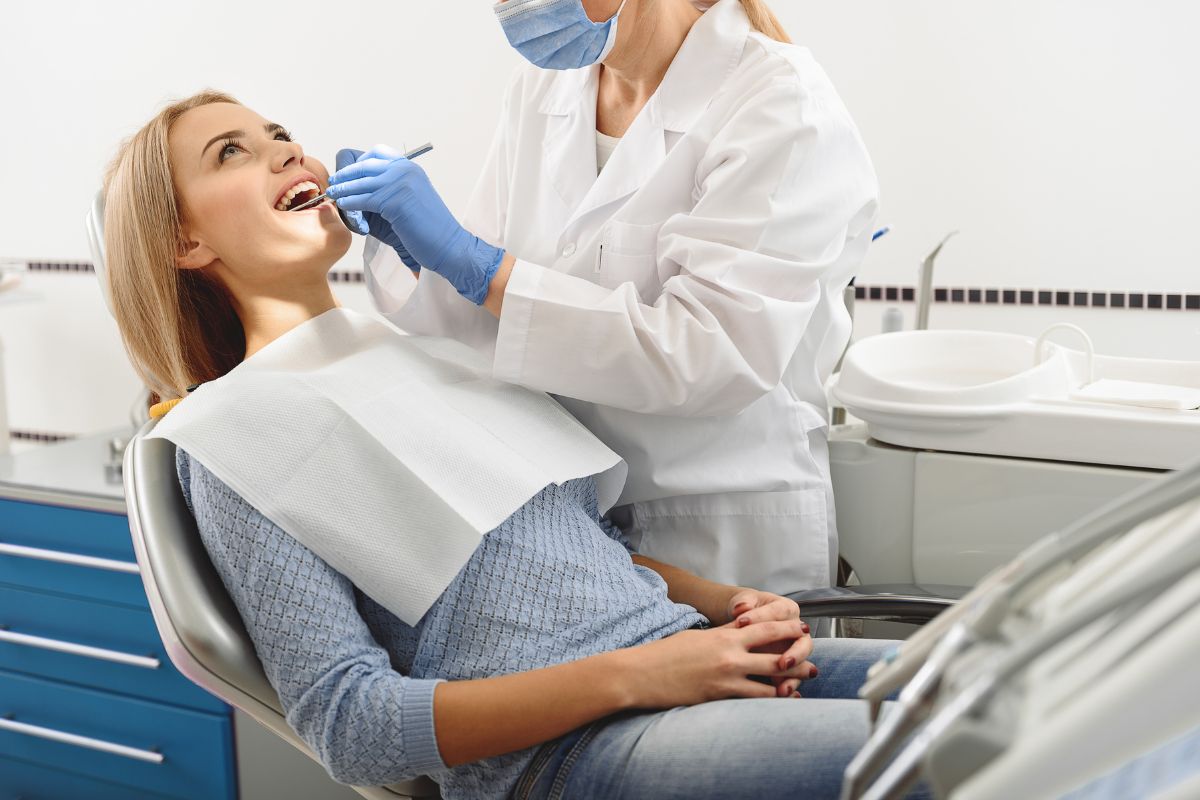
One of the most important parts of the first visit is the comprehensive dental exam.
During this examination, the dentist evaluates:
- Teeth
- Gums
- Bite alignment
- Jaw movement
- Existing dental work
- Signs of decay
- Oral tissue health
The exam helps identify both visible and underlying concerns that may need attention.
Some patients are surprised to learn that oral health can also provide clues about overall health conditions, including gum disease, teeth grinding, and inflammation.
Why Dental X-Rays Are Often Recommended
Many first visits include dental X-rays, especially if recent records are unavailable.
X-rays help detect problems that cannot always be seen during a visual exam, such as:
- Cavities between teeth
- Bone loss
- Impacted teeth
- Infections
- Root damage
- Jaw concerns
Digital X-rays used in many modern dental offices typically involve very low radiation exposure while providing detailed images for diagnosis.
Not every patient requires the same type or number of X-rays, since recommendations depend on oral health history and current symptoms.
Professional Dental Cleaning
If the patient’s oral health allows, a professional cleaning is often completed during the same appointment.
Dental cleanings help remove:
- Plaque buildup
- Tartar
- Surface stains
- Bacteria around the gumline
Even patients who brush and floss consistently may still develop tartar in areas that are difficult to clean at home.
During the cleaning, the hygienist may also discuss:
- Brushing technique
- Flossing habits
- Areas being missed during cleaning
- Gum health concerns
For patients with significant gum disease, a deeper cleaning procedure may sometimes be recommended instead of a standard cleaning.
Discussing Dental Concerns Openly
A first dental visit is also an opportunity for patients to talk openly about concerns or goals.
Some common discussion topics include:
- Tooth pain
- Cosmetic improvements
- Missing teeth
- Sensitive teeth
- Bad breath
- Teeth whitening
- Orthodontic concerns
Patients should never feel embarrassed about asking questions. The more information shared during the visit, the easier it becomes to create a personalized care plan.
Understanding Treatment Recommendations
Not every first appointment leads to major treatment recommendations. Some patients simply need routine preventive care, while others may require fillings, gum treatment, or restorative procedures.
If treatment is recommended, the dentist may explain:
- The problem being identified
- Why treatment is needed
- Possible treatment options
- Estimated timeline
- Preventive recommendations
Many patients appreciate understanding their options clearly before making decisions about care.
Dental Anxiety Is More Common Than People Think
Fear of dental visits is extremely common among both adults and children.

Some patients experience anxiety because of:
- Previous negative experiences
- Fear of pain
- Sensitivity
- Embarrassment about oral health
- Fear of needles or procedures
Dental teams are usually familiar with helping anxious patients feel more comfortable during appointments.
Simple communication can make a big difference. Letting the dental office know about anxiety beforehand often helps them adjust the experience to better support patient comfort.
Preventive Care Matters More Than Many Realize
Routine dental visits are not only about cleaning teeth. Preventive care helps identify problems early before they become larger and more expensive to treat.
Regular dental care may help reduce the risk of:
- Cavities
- Gum disease
- Tooth infections
- Tooth loss
- Bone deterioration
- Emergency dental problems
Small dental issues are often easier to manage when caught early.
Tips for Making the First Visit Easier
For patients preparing for their first dental appointment, a few simple steps may help:
- Arrive early
- Bring insurance information
- Prepare questions ahead of time
- Avoid excessive caffeine if nervous
- Share any dental anxiety openly
- Bring previous dental records if available
Parents bringing children to their first dental visit can also help by keeping the experience positive and relaxed beforehand.
Building Long-Term Oral Health Habits
A first dental visit is often the beginning of a long-term relationship focused on preventive care and healthy habits.
Consistent dental visits combined with:
- Daily brushing
- Flossing
- Balanced nutrition
- Limiting sugary drinks
- Early treatment of concerns
can help support stronger oral health over time.
Across Van and surrounding East Texas communities, many patients are choosing preventive dental care not only to maintain their smile but also to support overall health and comfort long-term.
If you are preparing for your first appointment or looking for ongoing dental care, contact Cornerstone Dentistry to schedule a visit and learn more about maintaining a healthy smile.
FAQs
1. What happens during a first dental visit?
A first dental visit typically includes an exam, X-rays, cleaning, and a discussion about oral health concerns.
2. Are dental X-rays necessary at the first appointment?
Many patients need X-rays to help detect hidden dental problems that are not visible during a standard exam.
3. How long does a first dental appointment usually take?
First visits are often longer than routine checkups and may last between 60 to 90 minutes.
4. What should I bring to my dental appointment?
Bring identification, insurance information, medication details, and any previous dental records if available.
5. What if I feel nervous about visiting the dentist?
Dental anxiety is common, and most dental offices work to help patients feel more comfortable during treatment.