299 Quail St, Van, TX 75790


Can You Get Dental Implants If You Have Gum Disease?
in Van, TX

Can You Get Dental Implants If You Have Gum Disease?
Losing a tooth can affect more than your smile. It can make eating uncomfortable, change the way you speak, and even impact your confidence. Dental implants are one of the most reliable ways to replace missing teeth, but many people wonder if they’re still an option after being diagnosed with gum disease. The answer depends on the health of your
Losing a tooth can affect more than your smile. It can make eating uncomfortable, change the way you speak, and even impact your confidence. Dental implants are one of the most reliable ways to replace missing teeth, but many people wonder if they’re still an option after being diagnosed with gum disease.
The answer depends on the health of your gums and the severity of the infection. In many cases, patients can still become excellent candidates for dental implants after receiving the right treatment.
If you’ve recently searched for a dentist near me because you’re concerned about missing teeth and gum disease, understanding how these conditions are connected can help you make informed decisions about your oral health.
Quick Answer
Yes, many people with gum disease can still get dental implants. However, active gum disease usually needs to be treated before implant placement to improve the chances of long-term success.
Healthy gums and strong jawbone support are essential because dental implants rely on surrounding tissues to remain secure for many years.
Why Healthy Gums Matter for Dental Implants
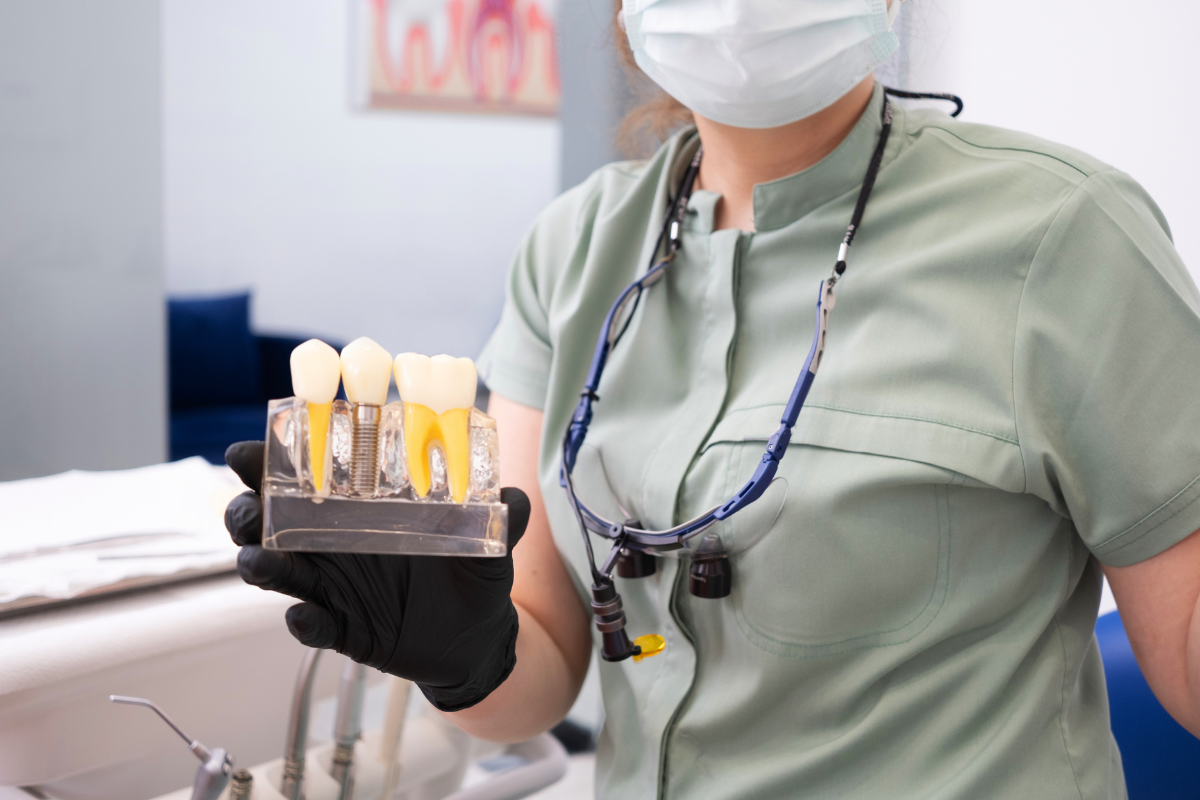
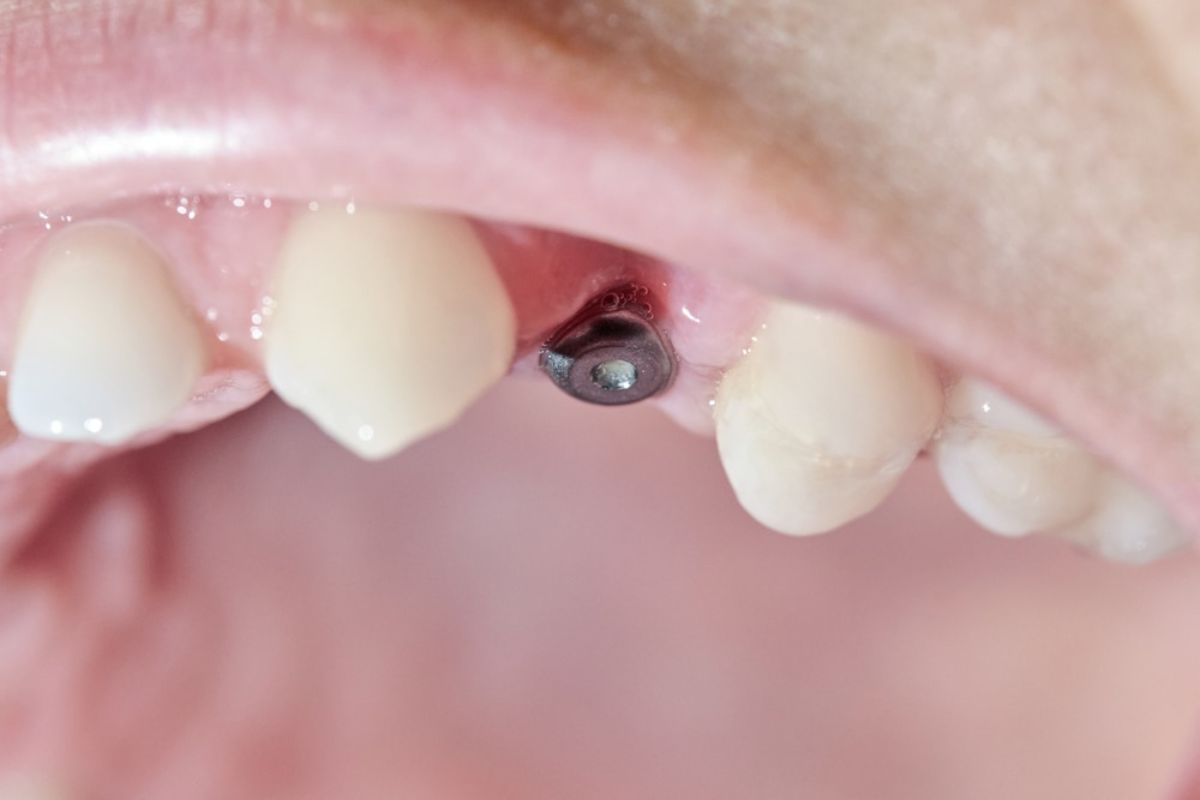
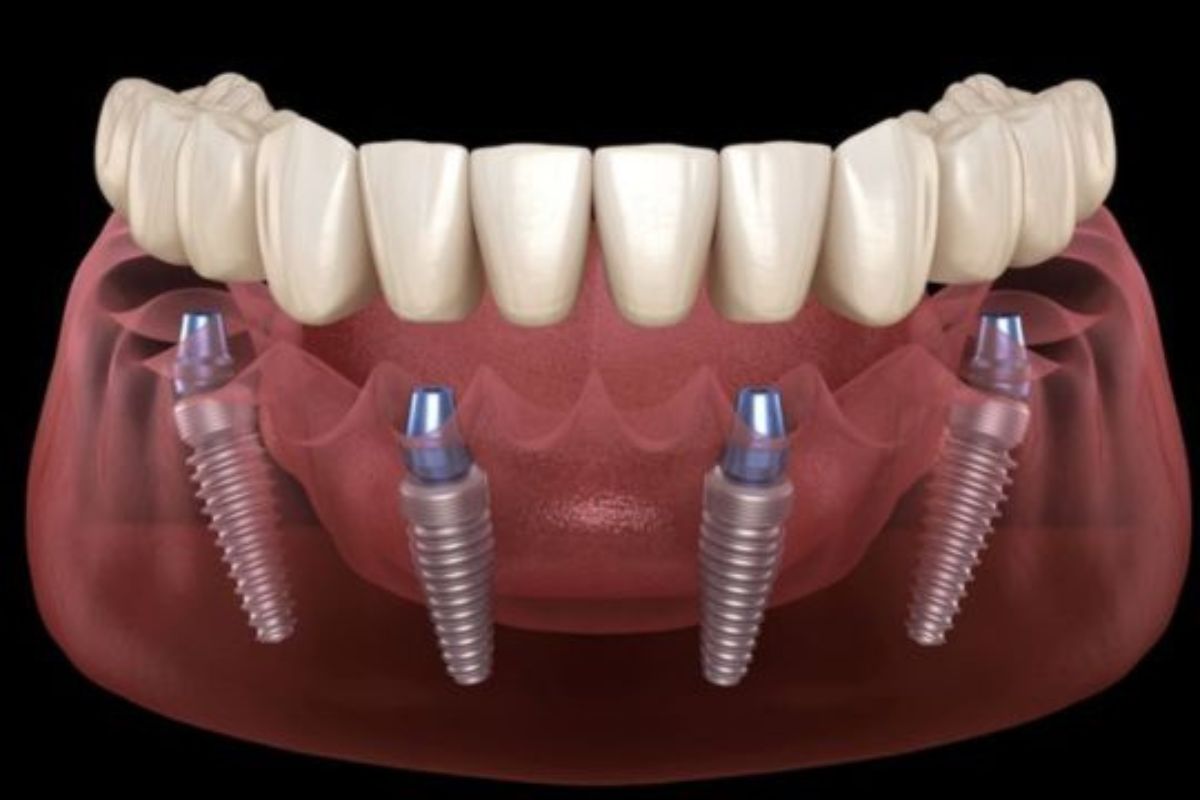
A dental implant is placed into the jawbone and functions as an artificial tooth root. After placement, the implant gradually fuses with the surrounding bone through a process called osseointegration.
Healthy gums play an important role by protecting the bone and supporting the tissues around the implant.
When gum disease is left untreated, bacteria can damage these supporting structures, making it more difficult for an implant to heal properly and remain stable.
What Is Gum Disease?

Gum disease is a bacterial infection that affects the tissues surrounding your teeth.
It usually develops in stages.
Gingivitis
The earliest stage often causes:
- Red gums
- Swollen gums
- Bleeding while brushing or flossing
- Persistent bad breath
At this point, treatment is often straightforward, and the damage can usually be reversed with professional care and improved oral hygiene.
Periodontitis
Without treatment, gingivitis can progress to periodontitis.
This more advanced stage may lead to:
- Receding gums
- Loose teeth
- Bone loss
- Tooth loss
- Changes in your bite
Because dental implants depend on healthy bone and gum tissue, untreated periodontitis can increase the risk of implant complications.
Can You Still Qualify for Dental Implants?
In many situations, yes.
Having a history of gum disease doesn’t automatically prevent you from getting dental implants.
Your dentist will first evaluate:
- The current health of your gums
- Bone density
- Signs of active infection
- Overall oral health
- Medical history
- Smoking or tobacco use
Every patient is different, which is why a comprehensive evaluation is the first step before creating a treatment plan.
Why Treating Gum Disease Comes First
Before placing an implant, your dentist wants to create the healthiest possible environment for healing.
Treating gum disease first may help:
- Reduce harmful bacteria
- Control inflammation
- Improve gum health
- Protect the supporting bone
- Increase the likelihood of successful implant healing
Receiving treatment beforehand can significantly improve the long-term outlook for your new smile.
Can Bone Loss Prevent Dental Implants?
One of the biggest concerns related to advanced gum disease is bone loss.
When teeth are missing or gum disease progresses, the jawbone may gradually shrink because it no longer receives regular stimulation.
Fortunately, bone loss doesn’t always mean dental implants are no longer possible.
Many patients may qualify for procedures that help rebuild or strengthen the jawbone before implant placement, depending on their individual needs.
How Do Dentists Determine If You’re Ready for Dental Implants?
Every patient has a unique oral health history, so there isn’t a one-size-fits-all answer. Before recommending implants, your dentist will perform a thorough examination to determine whether your mouth is healthy enough for the procedure.
Your evaluation may include:
- A comprehensive dental exam
- Digital X-rays or 3D imaging
- An assessment of your gum health
- Evaluation of your jawbone density
- A review of your medical history and current medications
- A discussion about smoking or other lifestyle habits that may affect healing
This information helps your dentist create a personalized treatment plan and determine the safest path toward replacing missing teeth.
What Happens Before Dental Implant Placement?

If gum disease is present, the first priority is treating the infection before implant surgery.
Depending on your individual needs, treatment may include:
- Professional deep cleaning
- Improved home oral hygiene
- Regular periodontal maintenance visits
- Monitoring gum healing before moving forward
Once your gums are healthy and stable, your dentist can determine whether you’re ready for implant placement.
Taking these steps first helps create a stronger foundation for long-term success.
How Can You Protect Your Dental Implants After Treatment?
Dental implants are designed to be a long-lasting tooth replacement option, but their success depends on consistent care.
Healthy daily habits can help protect both your implants and the surrounding gum tissue.
To help maintain your results:
- Brush twice a day using a soft-bristled toothbrush.
- Floss daily or use implant-friendly cleaning aids.
- Attend regular dental checkups and professional cleanings.
- Avoid smoking or tobacco products whenever possible.
- Eat a balanced diet that supports healthy gums.
- Contact your dentist if you notice bleeding, swelling, or discomfort around an implant.
Just like natural teeth, implants require ongoing care to stay healthy for years to come.
What Happens If Gum Disease Returns Around an Implant?
Although dental implants cannot develop cavities, the surrounding gum tissue can still become infected.
This condition, known as peri-implant disease, can affect the tissues and bone supporting an implant if plaque and bacteria are allowed to build up.
Warning signs may include:
- Bleeding gums
- Swelling around the implant
- Persistent bad breath
- Gum recession
- Discomfort when chewing
Early diagnosis and treatment can help protect the implant and prevent further damage.
Should You Delay Replacing a Missing Tooth?
Many people postpone replacing a missing tooth because it doesn’t seem urgent. However, waiting too long may allow nearby teeth to shift, change your bite, and contribute to gradual bone loss in the jaw.
Replacing missing teeth sooner rather than later may help:
- Maintain proper bite alignment.
- Preserve jawbone health.
- Improve chewing ability.
- Support clear speech.
- Restore confidence when smiling.
The sooner you understand your treatment options, the easier it may be to prevent additional oral health concerns.
Ready to Find Out If Dental Implants Are Right for You?
If you’ve been told you have gum disease, it doesn’t necessarily mean dental implants are out of reach. With the right treatment plan and ongoing periodontal care, many patients are able to restore their smiles successfully.
At Cornerstone Dentistry, we take the time to evaluate your oral health, answer your questions, and recommend treatment options based on your individual needs—not a one-size-fits-all approach.
Whether you live in Van, Lindale, Canton, Mineola, Tyler, or nearby East Texas communities, our team is here to help you take the next step toward a healthier smile.
Schedule Your Consultation
Have questions about replacing missing teeth or your eligibility for dental implants?
Call (903) 920-0112 to schedule your consultation and learn about your treatment options.
Frequently Asked Questions
1. Can I get dental implants if I’ve had gum disease in the past?
Yes. Many patients with a history of gum disease are still candidates for dental implants once the infection has been successfully treated and their gums are healthy.
2. Will gum disease cause dental implants to fail?
Untreated gum disease can increase the risk of implant complications because it affects the supporting gum tissue and bone. Maintaining healthy gums before and after treatment is essential for long-term success.
3. How long do I need to wait after gum disease treatment before getting implants?
The timeline varies for each patient. Your dentist will monitor how well your gums heal before determining when implant placement is appropriate.
4. Can smokers with gum disease still receive dental implants?
Smoking may slow healing and increase the risk of implant complications. Your dentist will discuss how tobacco use affects treatment and recommend ways to improve your chances of success.
5. Are dental implants a permanent solution for missing teeth?
Dental implants are designed to be a long-lasting tooth replacement option. With good oral hygiene, regular dental visits, and healthy gums, many implants remain successful for many years.