299 Quail St, Van, TX 75790


Are Dental Crowns Painful to Get?
in Van, TX
Are Dental Crowns Painful to Get?
A bright, confident smile can transform your day, but a damaged tooth can dim that shine. If you’re considering a dental crown to restore your smile, you might wonder, “Will it hurt?” This question is common, and it’s natural to feel a bit anxious about dental procedures. At Cornerstone Dentistry, we’re here to ease your concerns with clear, honest answers.
A bright, confident smile can transform your day, but a damaged tooth can dim that shine. If you’re considering a dental crown to restore your smile, you might wonder, “Will it hurt?” This question is common, and it’s natural to feel a bit anxious about dental procedures. At Cornerstone Dentistry, we’re here to ease your concerns with clear, honest answers. This blog dives into what you can expect during a dental crown procedure, addressing pain, preparation, and recovery with a friendly, professional perspective. Let’s explore how crowns can restore your smile comfortably and effectively.
What Are Dental Crowns?
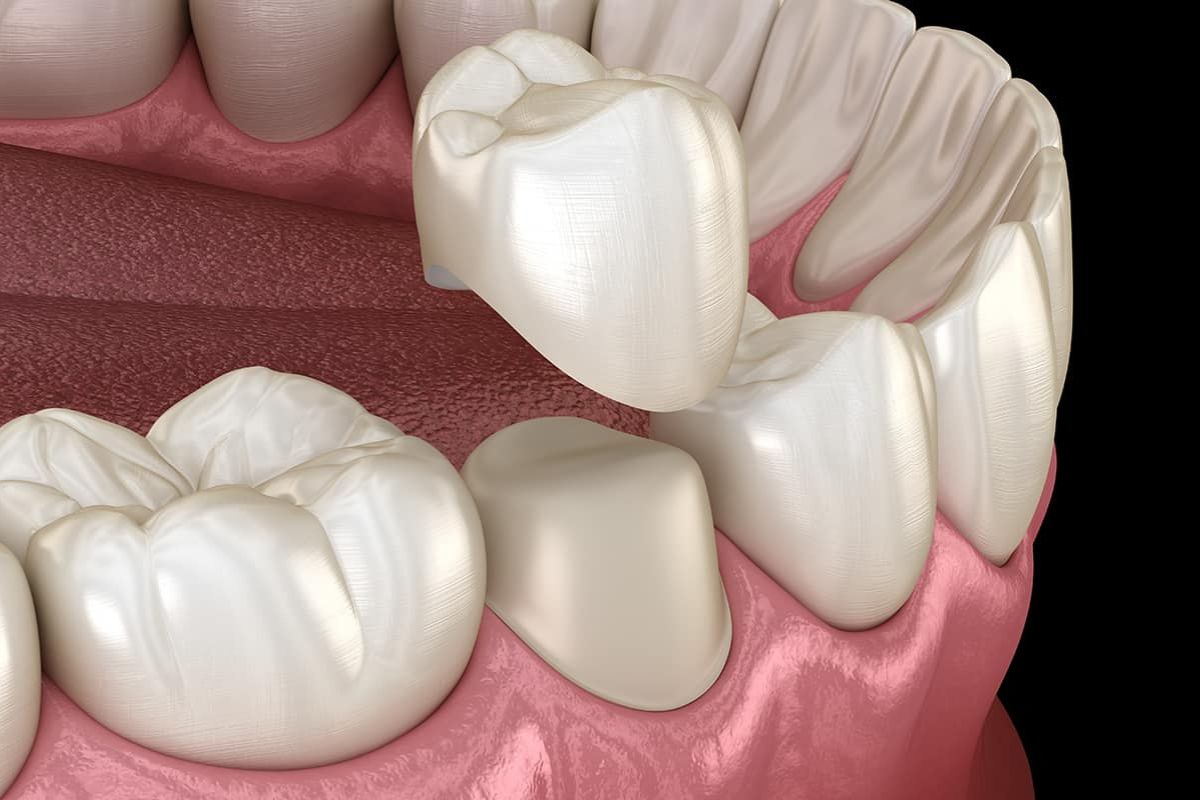
Dental crowns are custom-made caps that cover a damaged or weakened tooth. They restore the tooth’s shape, strength, and appearance, acting like a protective shield. Crowns are often used for teeth that are cracked, decayed, or weakened after procedures like root canals. Made from materials like porcelain, ceramic, or metal, crowns blend seamlessly with your natural teeth. They’re a go-to solution for both function and aesthetics, ensuring you can chew, speak, and smile confidently.
The Dental Crown Procedure: Step-by-Step
Understanding the process can calm your nerves. Here’s what happens when you get dental crowns in Van, TX:
- Consultation: Your dentist examines the tooth, often using X-rays to assess damage. They’ll discuss whether a crown is the best option.
- Tooth Preparation: The dentist reshapes the tooth by removing a small amount of enamel to make room for the crown. This step ensures a snug fit.
- Impression: A mold or digital scan of your tooth is taken to create a custom crown that matches your smile.
- Temporary Crown: A temporary crown protects your tooth while the permanent one is crafted in a lab, typically taking 1-2 weeks.
- Permanent Crown Placement: The dentist removes the temporary crown and cements the permanent one, checking for fit and comfort.
Each step is designed for precision and comfort, prioritizing your oral health.
Does Getting a Dental Crown Hurt?
The big question: Is it painful? Most patients report minimal discomfort during the procedure. Here’s why:
- Anesthesia: Local anesthesia numbs the tooth and surrounding gums, so you shouldn’t feel pain during preparation or placement. You might feel slight pressure, but that’s normal.
- Sensitivity Post-Procedure: After the anesthesia wears off, some sensitivity to hot or cold is common, especially if the tooth was already sensitive. This usually fades within a few days.
- Temporary Crown Phase: Temporary crowns might cause mild discomfort, as they’re less precise than permanent ones. Avoiding sticky or hard foods helps.
If you experience persistent pain, contact your restorative dentist in Van promptly. It could signal an adjustment is needed, like tweaking the crown’s fit to avoid bite issues.
Managing Discomfort During and After the Procedure
While the procedure is generally comfortable, here are tips to keep things smooth:
- During the Procedure: Communicate with your dentist. If you feel discomfort, they can adjust anesthesia or technique.
- After the Procedure: Use sensitivity toothpaste or over-the-counter pain relievers like ibuprofen if needed. Stick to soft foods for a day or two to avoid irritating the area.
- Oral Hygiene: Brush gently around the temporary crown and floss carefully to keep the area clean without dislodging it.
These steps ensure a comfortable experience and promote healing.
Trending FAQs on Dental Crowns
Patients often have similar questions about crowns. Here are answers to some frequently asked questions based on what people search for:
- How long does a dental crown procedure take?
The process typically involves two visits. The first (preparation and impression) takes about 1-2 hours. The second (placement) is quicker, around 30-60 minutes. - Can you eat normally after getting a crown?
Wait 30-45 minutes after permanent crown placement to eat, allowing the cement to set. Avoid sticky or hard foods for a few days to protect the crown. - How long do dental crowns last?
With proper care, crowns last 5-15 years, depending on material and oral hygiene habits. - Will a crown affect my bite?
A properly fitted crown shouldn’t alter your bite. If it feels off, your dentist can adjust it for comfort. - Are there alternatives to crowns?
For less severe damage, options like inlays, onlays, or bonding might work. Your dentist will recommend the best solution.
These answers address common concerns, helping you feel informed and confident.
Why Choose a Dental Crown?
Crowns offer more than just restoration. They protect weak teeth, prevent further decay, and enhance your smile’s appearance. For example, a porcelain crown can cover a discolored tooth, blending naturally with your smile. They’re also versatile, used in cases like:
- Supporting a tooth after a root canal.
- Covering large fillings where little natural tooth remains.
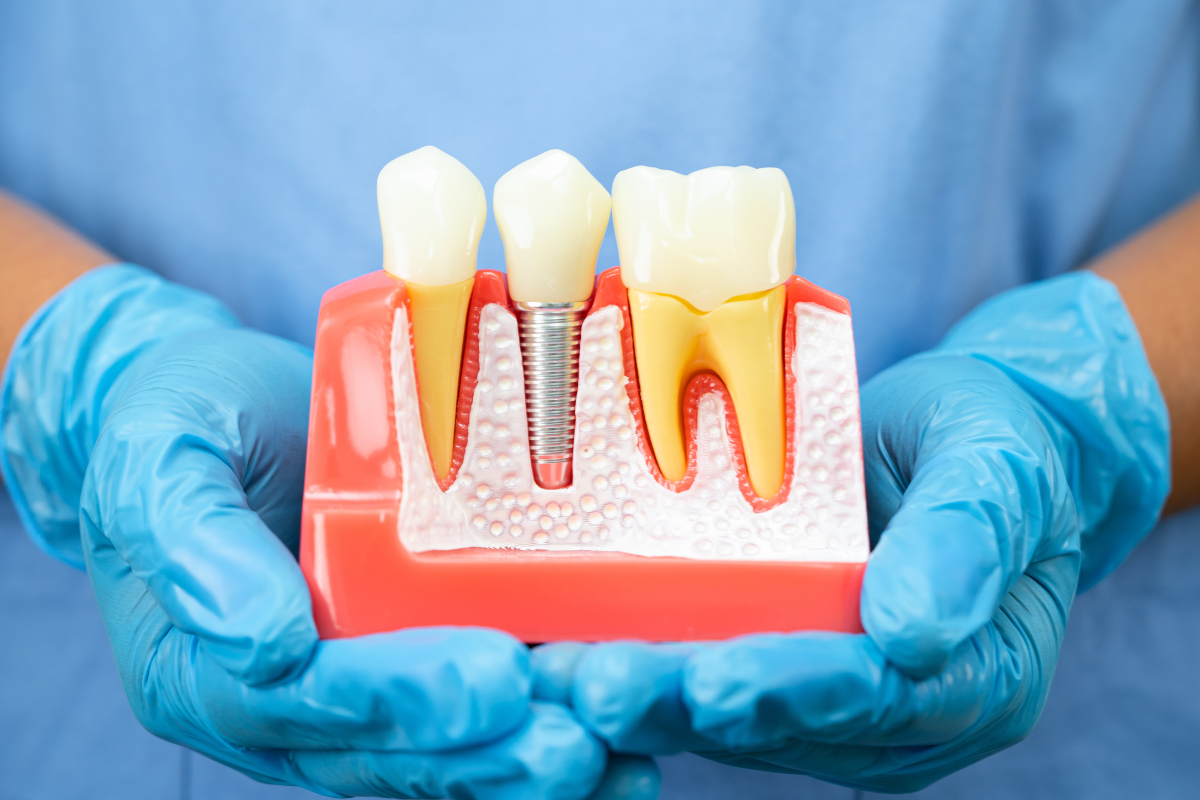
- Anchoring dental bridges or capping implants.
Crowns restore function, letting you enjoy your favorite foods without worry.
Caring for Your Dental Crown
Once your crown is placed, maintenance is straightforward. Treat it like a natural tooth:
- Brush twice daily and floss to prevent decay around the crown’s edges.
- Avoid chewing hard objects like ice or grinding your teeth, which can damage the crown.
- Schedule regular dental check-ups to monitor the crown’s condition.
Good habits extend your crown’s lifespan, keeping your smile strong and healthy.
What If You Experience Pain After the Procedure?
Mild sensitivity is normal, but ongoing pain isn’t. If you notice discomfort when chewing, sensitivity to temperature, or gum irritation, reach out to your dentist. Common issues include:
- High Crown: If the crown sits too high, it can disrupt your bite. A quick adjustment fixes this.
- Decay or Infection: The tooth beneath the crown can still decay if oral hygiene lapses. Regular check-ups catch issues early.
- Loose Crown: A loose or damaged crown needs prompt attention to avoid further complications.
Your dentist can address these issues to restore comfort.
Preparing for Your Dental Crown Appointment
Feeling prepared can ease anxiety. Before your visit:
- Discuss any fears with your dentist. They can explain each step or offer sedation options if needed.
- Plan for two appointments, as the process typically requires a follow-up for permanent crown placement.
- Arrange a soft-food diet for a day or two post-procedure to avoid discomfort.
Being proactive sets you up for a smooth experience.
Your Path to a Pain-Free Smile
A dental crown can transform a damaged tooth into a strong, beautiful part of your smile. With modern techniques and anesthesia, the procedure is designed for comfort, with only mild sensitivity for most patients. By choosing a skilled restorative dentist in Van, you ensure a seamless process and lasting results. Ready to restore your smile? Call us at 903-963-6158 to schedule an appointment and take the first step toward a confident, pain-free smile.