299 Quail St, Van, TX 75790


Causes and Solutions of Root Canal Failure
in Van, TX
Causes and Solutions of Root Canal Failure
A root canal is a highly effective procedure designed to save a damaged or infected tooth. However, in some cases, a root canal may not work as expected, leading to persistent pain, reinfection, or complications. This condition, known as root canal failure, can be frustrating and painful, but understanding its causes and solutions can help you take the right steps
A root canal is a highly effective procedure designed to save a damaged or infected tooth. However, in some cases, a root canal may not work as expected, leading to persistent pain, reinfection, or complications. This condition, known as root canal failure, can be frustrating and painful, but understanding its causes and solutions can help you take the right steps toward relief.
What Is Root Canal Failure?
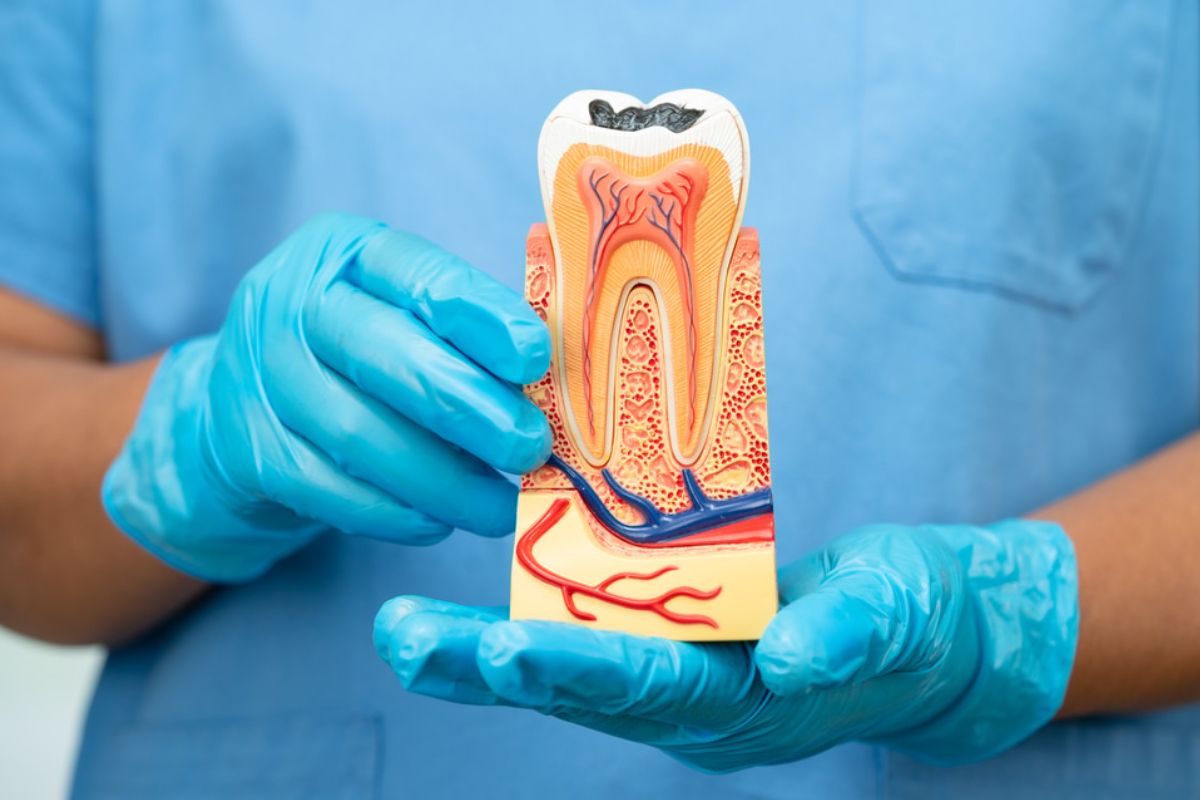
Root canal failure occurs when a tooth that has undergone treatment does not heal properly or becomes reinfected. Ideally, a root canal therapy in Van should remove all bacteria and infected pulp, sealing the tooth to prevent further damage. However, if any part of the tooth remains untreated or becomes compromised later, the infection can return, causing discomfort and potential tooth loss.
Common Causes of Root Canal Failure
Even with the best dental care, root canal failures can happen due to several factors. Here are five common causes:
1. Incomplete Cleaning of the Canals
The root canal system is complex, with tiny and sometimes hidden canals. If bacteria remain in any untreated areas, the infection can persist, leading to failure.
2. Hidden or Extra Canals
Some teeth, especially molars, have additional canals that are difficult to detect. If these are not treated during the initial procedure, bacteria can continue to grow and cause reinfection.
3. Poor Sealing or Leaking Restoration
A properly sealed tooth prevents bacteria from re-entering. If the filling or crown is not placed correctly or becomes loose, it can allow bacteria to seep inside, leading to decay and reinfection.
4. Cracks or Fractures in the Tooth
A tooth that has undergone root canal therapy may develop cracks over time, either from pressure, injury, or grinding. These cracks allow bacteria to enter, compromising the success of the procedure.
5. Delayed or Improper Restoration
After a root canal, the tooth needs a proper restoration, such as a crown, to protect it. If this is delayed or not done correctly, the tooth remains vulnerable to damage and reinfection.
Potential Complications of Root Canal Failure
Ignoring a failed root canal can lead to serious dental problems, including:
- Chronic Pain and Swelling: Persistent discomfort may indicate that bacteria are still present.
- Bone Loss Around the Tooth Root: Infection can weaken the bone supporting the tooth.
- Spread of Infection: If left untreated, bacteria can spread to other teeth or even into the bloodstream, affecting overall health.
- Tooth Loss: In severe cases, an extraction may be necessary if retreatment is unsuccessful.
Solutions for Root Canal Failure
Fortunately, root canal failure does not always mean losing the tooth. Here are five effective solutions:
1. Root Canal Retreatment
A second root canal procedure can remove any remaining bacteria and properly seal the tooth, often resolving the issue.
2. Apicoectomy (Root-End Surgery)
If retreatment is not enough, a minor surgical procedure called an apicoectomy can remove infected tissue and seal the root tip.
3. New Restoration (Filling or Crown Replacement)
If the failure is due to a leaking filling or crown, replacing it with a properly sealed restoration can prevent further complications.
4. Tooth Extraction and Implant Placement
In cases where the damage is too severe, extracting the tooth and replacing it with a dental implant can restore function and appearance.
5. Improved Oral Hygiene and Preventive Care
Good oral hygiene, regular dental visits, and protective measures like night guards can help prevent reinfection and future dental issues.
Preventing Root Canal Failure
While not all failures can be avoided, following these steps can significantly reduce your risk:
- Choose an experienced dentist for your root canal procedure.
- Ensure timely and proper restoration with a high-quality filling or crown.
- Maintain excellent oral hygiene to prevent new decay.
- Avoid chewing hard foods that could damage the treated tooth.
- Schedule regular check-ups to monitor the health of the treated tooth.
Root canal failure can be frustrating, but it is not the end of the road for your tooth. With the right treatment approach and preventive care, you can restore your oral health and avoid serious complications. If you are experiencing persistent pain or signs of reinfection, don’t wait—reach out to a dentist near Van, TX, to explore your best treatment options.