299 Quail St, Van, TX 75790


Comparing Dental Implants and Bridges: Which is Right for You?
in Van, TX

Comparing Dental Implants and Bridges: Which is Right for You?
Discover how dental implants and bridges can improve your oral health, appearance, and quality of life. This post compares the two options to help you choose the best solution for your needs.
Choosing between dental implants and bridges is a significant decision for those looking to restore their smile and improve oral function. Understanding the differences, benefits, and suitability of each option is crucial. This guide explores the intricacies of dental implants and bridges to help you make an informed choice.
Introduction to Dental Implants and Bridges
What Are Dental Implants?
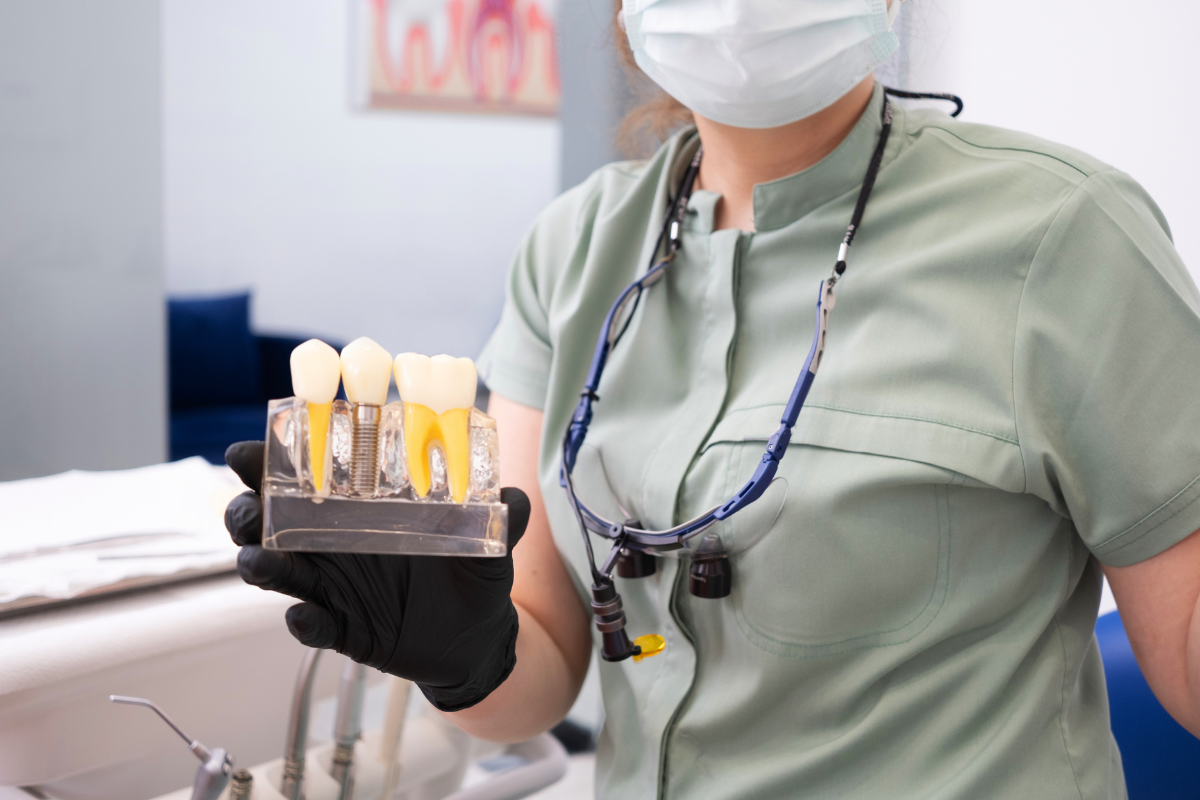
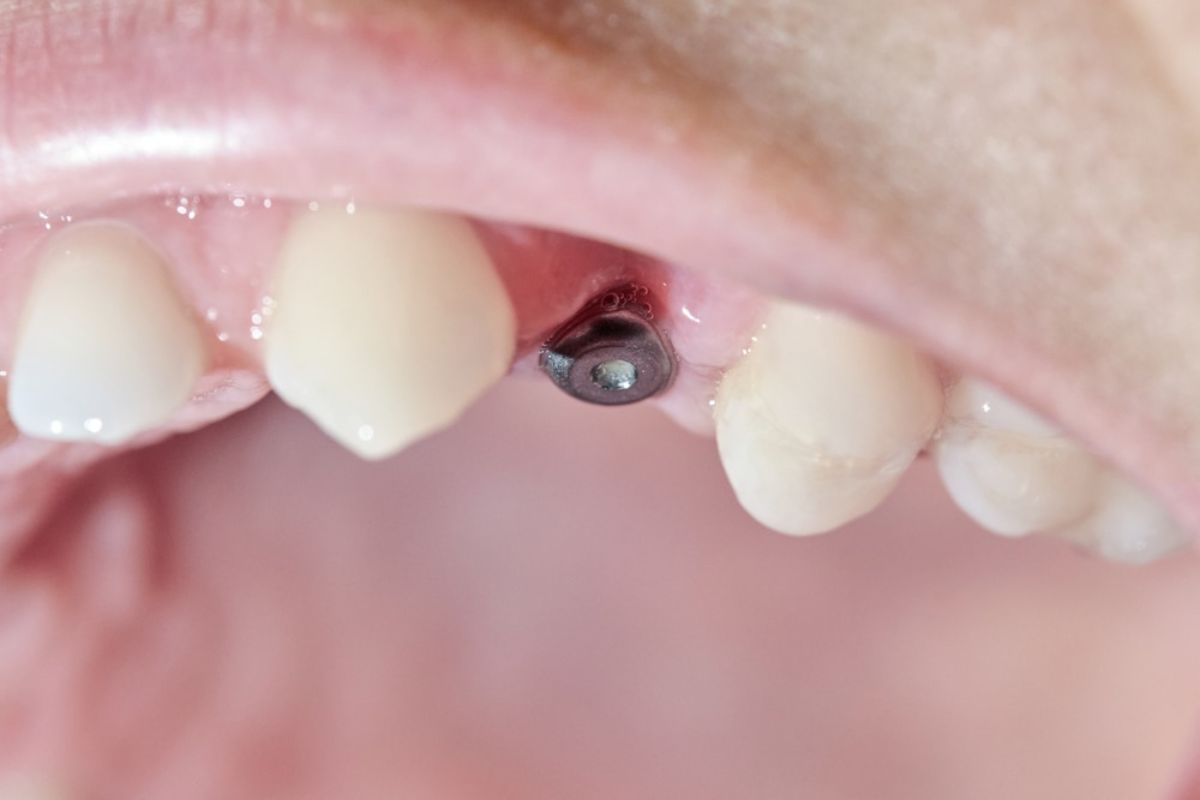
Dental implants are titanium posts surgically placed into the jawbone, serving as sturdy foundations for replacement teeth. They mimic natural tooth roots, offering stability and preventing bone loss.
What Are Dental Bridges?
Dental bridges consist of one or more artificial teeth (pontics) anchored to adjacent natural teeth or implants. They effectively bridge gaps left by missing teeth, restoring both appearance and functionality.
Understanding Dental Implants: Procedure and Benefits
The Procedure for Dental Implants
- Initial Consultation: A dentist evaluates your oral health, bone density, and suitability for implants.
- Surgical Placement: Titanium posts are surgically implanted into the jawbone under local anesthesia.
- Abutment Placement: An abutment is attached to the implant after it fuses with the bone.
- Placement of Prosthetic: A custom-made crown or bridge is then affixed to the abutment.
Benefits of Dental Implants
- Preservation of Adjacent Teeth: Unlike bridges, implants do not require altering adjacent teeth, keeping them healthy.
- Bone Health: Implants stimulate the jawbone, preventing bone loss.
- Natural Feel: They look and function like natural teeth, providing superior comfort.
Understanding Dental Bridges: Procedure and Benefits
The Procedure for Dental Bridges
- Preparation of Adjacent Teeth: Adjacent teeth are prepared by removing part of the enamel for dental crowns.
- Impressions: Impressions of the prepared teeth and gap are taken to create a custom bridge.
- Temporary Bridge: A temporary bridge may be placed while the permanent one is being made.
- Bonding the Bridge: The permanent bridge is bonded into place, restoring your bite and aesthetics.
Benefits of Dental Bridges
- Non-Invasive: Bridges do not require surgery, making them suitable for those unable to undergo surgical procedures.
- Cost-Effective: Generally less expensive upfront than dental implants.
- Quick Restoration: The entire process can be completed in a few visits.
Durability and Longevity: Which Lasts Longer?
Lifespan Comparison
- Implants: With proper care, dental implants can last a lifetime.
- Bridges: Typically last 10-15 years before needing replacement.
Factors Influencing Longevity
- Maintenance: Regular dental check-ups and proper oral hygiene extend the lifespan of both options.
- Bone Density: Sufficient jawbone density is critical for successful implant integration.
Aesthetics and Natural Appearance
Visual Aspects of Implants and Bridges
- Implants: Mimic natural tooth structure closely, blending seamlessly with surrounding teeth.
- Bridges: Provide a fixed solution to fill gaps, restoring facial aesthetics effectively.
Impact on Oral Health
- Implants: Promote healthier gums and enhance chewing function.
- Bridges: Require preparation of adjacent teeth, which may increase susceptibility to decay.
Surgical Considerations and Recovery Time
Surgical Procedures Involved
- Implants: Require precise surgical placement and a recovery period.
- Bridges: Involve minimal preparation and no surgery.
Recovery Period
- Implants: Healing takes several months as the implant integrates with the bone.
- Bridges: Normal activities can resume shortly after bonding.
Maintenance and Care
Dental Implants
- Daily Care: Brush and floss like natural teeth using a soft-bristled brush.
- Regular Check-ups: Essential to monitor the health of the implant and surrounding tissues.
Dental Bridges
- Daily Care: Special cleaning tools are necessary to maintain hygiene around the bridge.
- Avoid Certain Foods: Steer clear of sticky or hard foods to prevent damage.
Conclusion
Choosing between dental implants and bridges depends on your specific oral health needs, preferences, and long-term goals. While implants offer durability and bone preservation, bridges provide a non-invasive and cost-effective solution. For personalized guidance tailored to your dental health, consult a qualified dentist. Prioritize your oral health through regular care to enjoy a confident smile for years to come. Schedule a consultation at Dental Implants Van today to explore the best option for your dental needs!
**Disclaimer: This content should not be considered medical advice and does not imply a doctor-patient relationship.