299 Quail St, Van, TX 75790


Understanding Shade Guides: How Dentists Measure Tooth Whiteness
in Van, TX
Understanding Shade Guides: How Dentists Measure Tooth Whiteness
Your smile is one of the first things people notice. It reflects confidence, warmth, and health. But have you ever stopped to wonder how dentists actually measure the color of your teeth? When it comes to improving your smile, precision matters. This is where shade guides come into play—a small but powerful tool in the hands of dental professionals. Let’s
Your smile is one of the first things people notice. It reflects confidence, warmth, and health. But have you ever stopped to wonder how dentists actually measure the color of your teeth? When it comes to improving your smile, precision matters. This is where shade guides come into play—a small but powerful tool in the hands of dental professionals.
Let’s dive into the fascinating world of tooth color science and how dentists ensure your teeth get the exact shade of brightness they need.
What Is a Shade Guide?
A shade guide is a tool dentists use to evaluate and compare the color of a patient’s teeth. It consists of a set of standardized tooth-colored tabs arranged by shades, ranging from lightest to darkest. Each tab mimics the natural appearance of human enamel and is used to match a patient’s current tooth color or to determine a target shade for whitening or restorative treatments.
There are two main types of shade guides:
- Classic Shade Guides: These include tabs labeled A1-D4, representing different tone categories (reddish-brown, reddish-yellow, gray, and reddish-gray).
- Bleach Shade Guides: These go beyond the natural spectrum and are used for patients undergoing cosmetic whitening treatments.
Why Tooth Color Varies
Tooth color isn’t just determined by brushing habits. Several factors contribute to the shade of your smile:
1. Genetics
Your natural tooth color is largely inherited. Some people simply have whiter enamel or thicker dentin, which affects how light is reflected.
2. Age
As we age, enamel wears down, making the yellowish dentin underneath more visible. This results in a darker, duller tooth color over time.
3. Lifestyle Habits
Daily habits like drinking coffee, tea, red wine, or smoking can stain teeth significantly. Over time, these stains seep into the enamel and are hard to remove with brushing alone.
4. Medications
Certain medications, like tetracycline antibiotics, can cause deep internal discoloration, especially if taken during childhood while teeth are still developing.
5. Dental Trauma or Decay
Injuries to the teeth or untreated decay can lead to intrinsic discoloration that affects individual teeth or the whole smile.
Understanding these causes is key to determining the most appropriate whitening approach and using the shade guide effectively.
How Dentists Use Shade Guides in Teeth Whitening
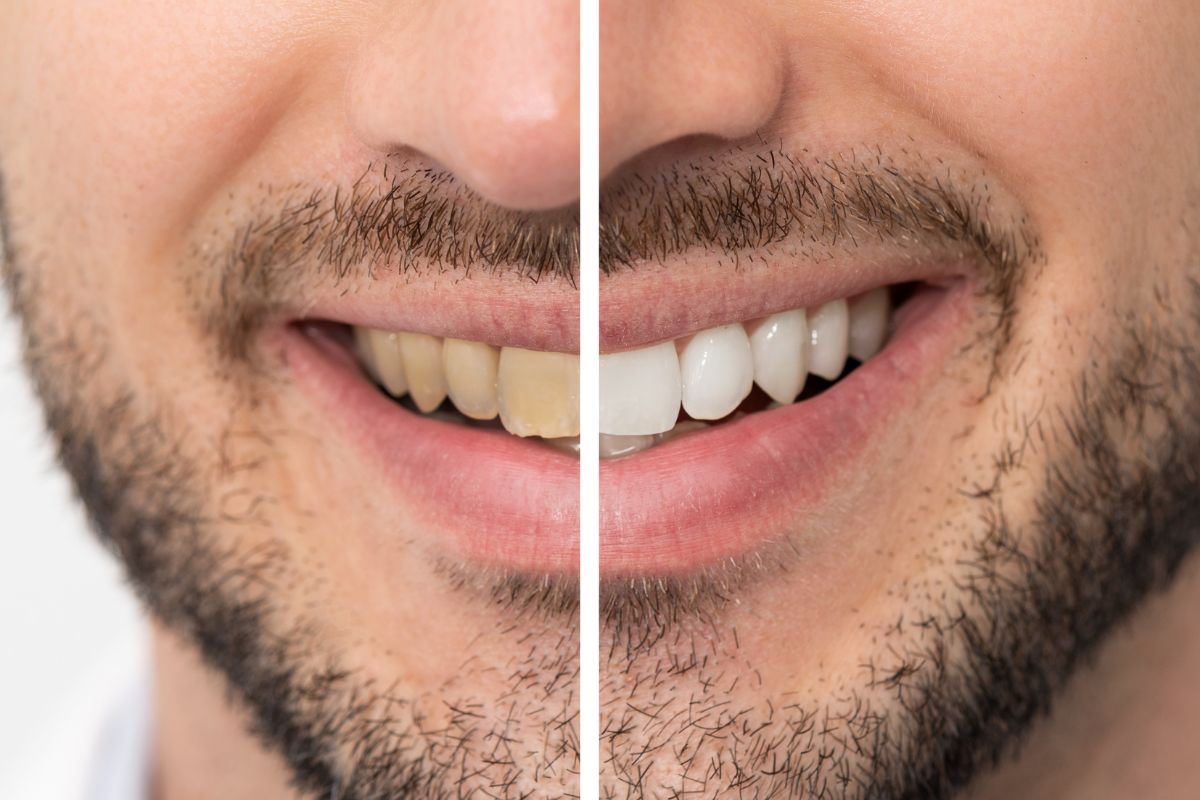
When a patient seeks cosmetic improvement, the dentist begins by comparing the current tooth color with the tabs on the shade guide. This comparison happens in natural lighting, sometimes with a digital shade-matching device for greater accuracy.
Once the current shade is recorded, the dentist works with the patient to choose a desired outcome. It’s not always about the lightest white; it’s about choosing a shade that complements the person’s skin tone and looks natural.
During the whitening process, the shade guide acts as a benchmark. Dentists use it to track progress over multiple sessions and to determine when the target result is achieved.
In the case of teeth whitening in Van, understanding where a patient starts and where they want to go is essential. Using the shade guide ensures results that are both effective and aesthetically pleasing.
Challenges and Solutions in Measuring Tooth Color
Although shade guides are reliable, measuring tooth color isn’t always simple.
Lighting Conditions
Natural daylight provides the most accurate conditions, but dental offices may use specific lighting to mimic it. Dentists must account for variations caused by artificial light.
Subjectivity
Color perception can differ slightly from person to person. That’s why some dentists use digital shade-matching technology to ensure consistency.
Tooth Transparency
Some teeth are more translucent than others, which can make shade matching more complex. Dentists adjust for this by evaluating different areas of the tooth and combining their observations with patient input.
Solutions:
- Use of spectrophotometers or colorimeters for digital color analysis.
- Standardized lighting systems in dental offices.
- Continued training for dental professionals in cosmetic shade matching.
These measures help create more accurate and consistent outcomes for every patient.
Why Shade Matching Matters Beyond Aesthetics
Getting the right tooth shade isn’t just about beauty—it’s about harmony. The right shade brings out the brightness of your eyes, enhances your complexion, and boosts your confidence. On the other hand, an unnatural white or a mismatched restoration can be visually distracting.
Whether you’re getting veneers, crowns, or whitening, shade matching ensures that your dental work blends seamlessly with your natural features.
Choose Precision, Choose Confidence
The art of measuring tooth whiteness may seem small, but it plays a powerful role in your cosmetic dental journey. By understanding shade guides and the factors that influence tooth color, you’re empowered to make informed choices.
If you’re ready to enhance your smile, always consult with a cosmetic dentist in Van who understands both the science and the art of shade matching. After all, your smile deserves precision, care, and a personalized touch.