299 Quail St, Van, TX 75790

The Hidden Dangers of Teeth Whitening Treatments
in Van, TX
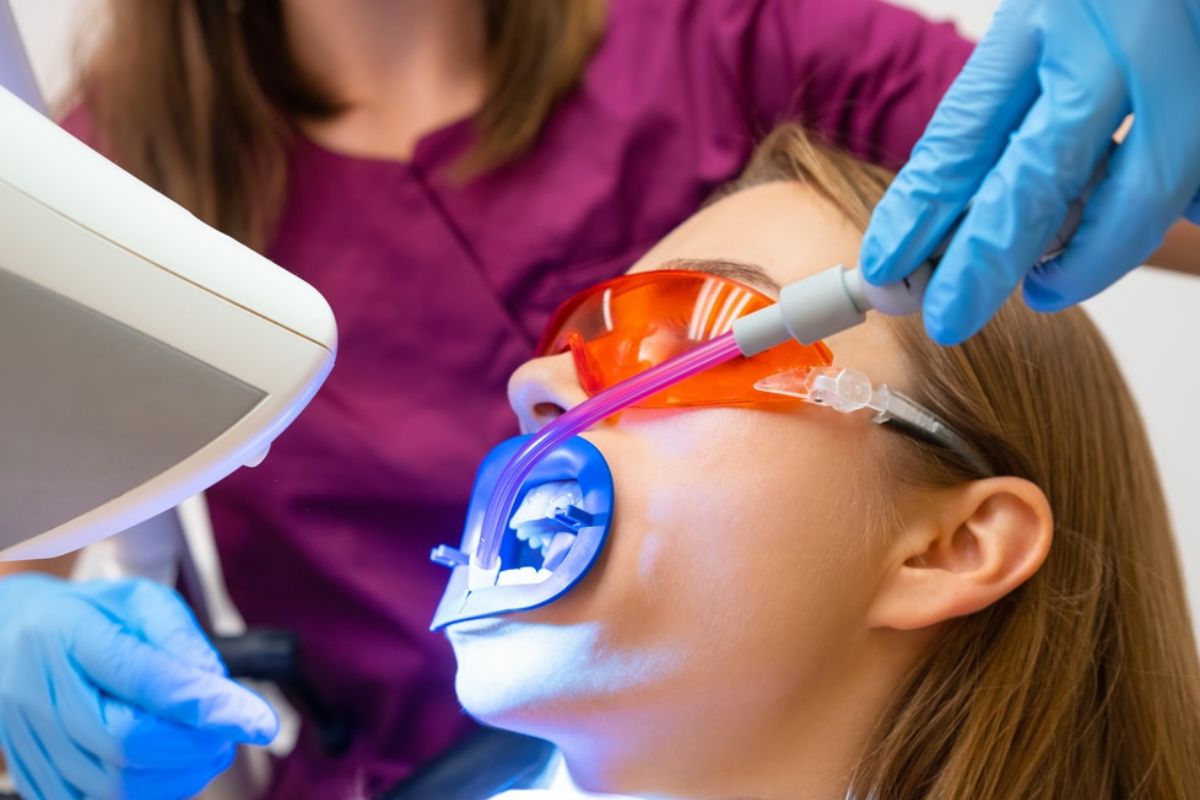
The Hidden Dangers of Teeth Whitening Treatments
A bright, white smile is often seen as a symbol of confidence and good oral hygiene. With countless teeth whitening options available today, from over-the-counter strips to professional treatments, achieving that perfect smile has never been easier. However, what many people don’t realize is that teeth whitening treatments come with potential risks. While the idea of a dazzling white smile
A bright, white smile is often seen as a symbol of confidence and good oral hygiene. With countless teeth whitening options available today, from over-the-counter strips to professional treatments, achieving that perfect smile has never been easier. However, what many people don’t realize is that teeth whitening treatments come with potential risks. While the idea of a dazzling white smile is appealing, it’s important to be aware of the hidden dangers associated with these procedures.
1. Tooth Sensitivity and Enamel Erosion
One of the most common side effects of teeth whitening is increased tooth sensitivity. The active ingredients in whitening products, such as hydrogen peroxide or carbamide peroxide, penetrate the enamel to break down stains. However, this process can also strip away essential minerals, weakening the enamel and making teeth more sensitive to hot and cold temperatures.
If you already have sensitive teeth, whitening treatments can intensify the discomfort, making everyday activities like drinking coffee or eating ice cream unbearable. Professional treatments offered by a cosmetic dentist in Van often include desensitizing agents to minimize this issue, but overuse of at-home kits can lead to lasting sensitivity.
2. Gum Irritation and Chemical Burns
Whitening gels and strips contain strong bleaching agents that can cause irritation if they come into contact with your gums. If not applied carefully, these chemicals can lead to burns, swelling, or even receding gums over time.
DIY treatments, in particular, pose a higher risk since many people fail to follow instructions properly or leave the products on for too long. Even professional treatments need to be carefully monitored to avoid unnecessary exposure to these harsh chemicals.
3. Uneven Whitening and Over-Whitening Risks
Not all teeth respond to whitening treatments the same way. If you have fillings, crowns, or veneers, these dental restorations will not whiten like natural teeth, leading to an uneven smile. Additionally, overuse of whitening products can result in a condition known as “bleachorexia,” where people become obsessed with whitening and overdo it to the point of damaging their teeth.
Excessive whitening can cause teeth to appear translucent or chalky rather than naturally white. This is why professional guidance is crucial when considering any whitening treatment.
4. Potential Damage to Tooth Nerves
In some cases, aggressive whitening treatments can lead to nerve damage. The chemicals used in whitening can penetrate deep into the tooth, affecting the inner pulp. If you already have cracks, cavities, or worn enamel, the risk of nerve irritation or long-term damage increases.
This is particularly concerning for individuals who opt for multiple whitening sessions in a short period, as it doesn’t allow the teeth enough time to recover between treatments.
5. The Myth of “Permanent” Whitening
Many people assume that teeth whitening results are permanent, but this is far from the truth. Even professional whitening treatments require maintenance, as teeth naturally accumulate stains from food, drinks, and lifestyle habits.
Smoking, coffee, tea, red wine, and certain acidic foods can quickly reverse whitening results. This is why maintaining good oral hygiene and scheduling regular touch-ups is essential to keep your smile bright without overexposing your teeth to bleaching agents.
Safer Alternatives and Precautions
If you’re considering teeth whitening in Van, it’s always best to consult a qualified cosmetic dentist first. A professional can assess your oral health, recommend the safest treatment options, and provide customized care to minimize risks.
Here are a few safer alternatives to consider:
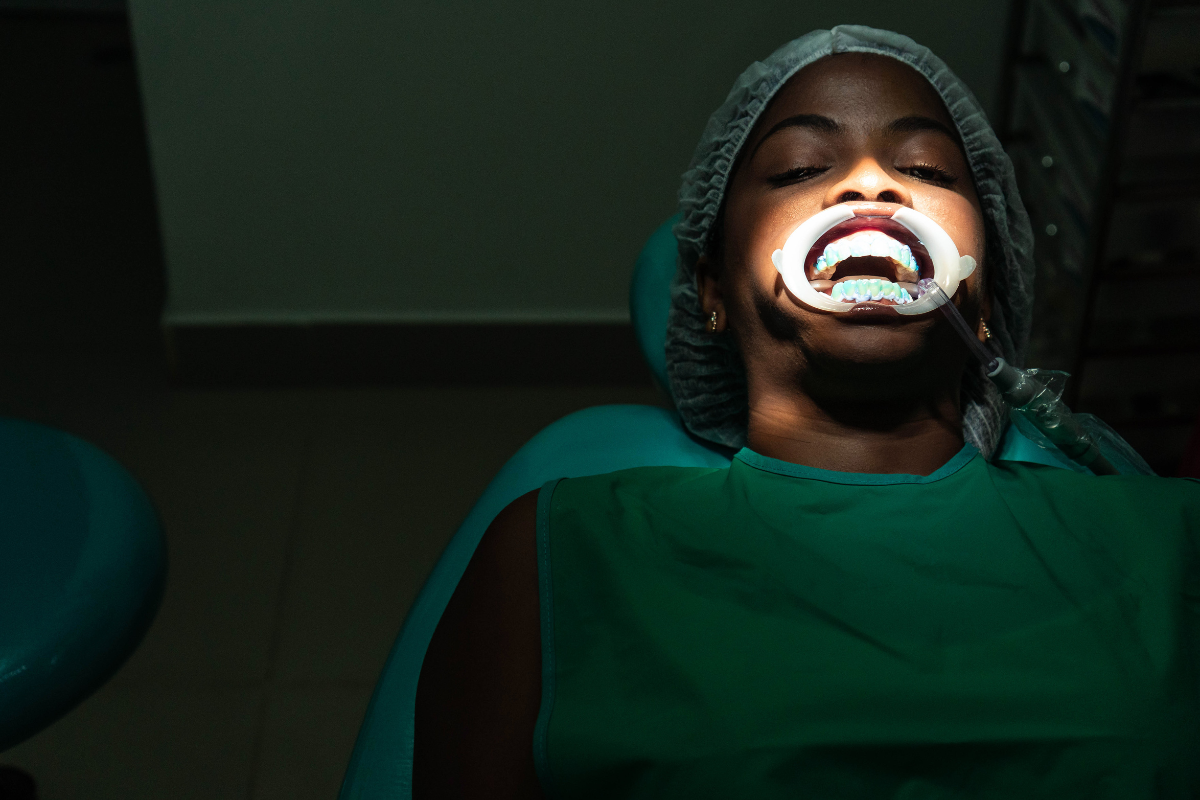
- Professional in-office whitening: This is the safest and most effective option, as dentists use controlled amounts of bleaching agents while protecting your gums.
- Custom take-home whitening trays: Unlike store-bought kits, these are designed to fit your teeth perfectly, reducing the risk of gum irritation.
- Natural whitening methods: Regular brushing, flossing, and using baking soda or activated charcoal (in moderation) can help prevent stains.
- Dietary changes: Limiting stain-causing foods and drinks can help maintain a whiter smile naturally.
Final Thoughts
While the desire for whiter teeth is understandable, it’s crucial to be aware of the potential risks associated with whitening treatments. Whether you choose an over-the-counter product or a professional procedure, always proceed with caution. Consulting a cosmetic dentist can help you achieve a brighter smile without compromising your oral health.
If you’re looking for teeth whitening in Van, ensure you choose a trusted dental professional who prioritizes safety and effectiveness. Request an appointment today to get professional guidance and achieve a brighter smile safely. A radiant smile is great—but a healthy one is even better!