299 Quail St, Van, TX 75790


Why Kids Still Need Dental Care for Baby Teeth
in Van, TX
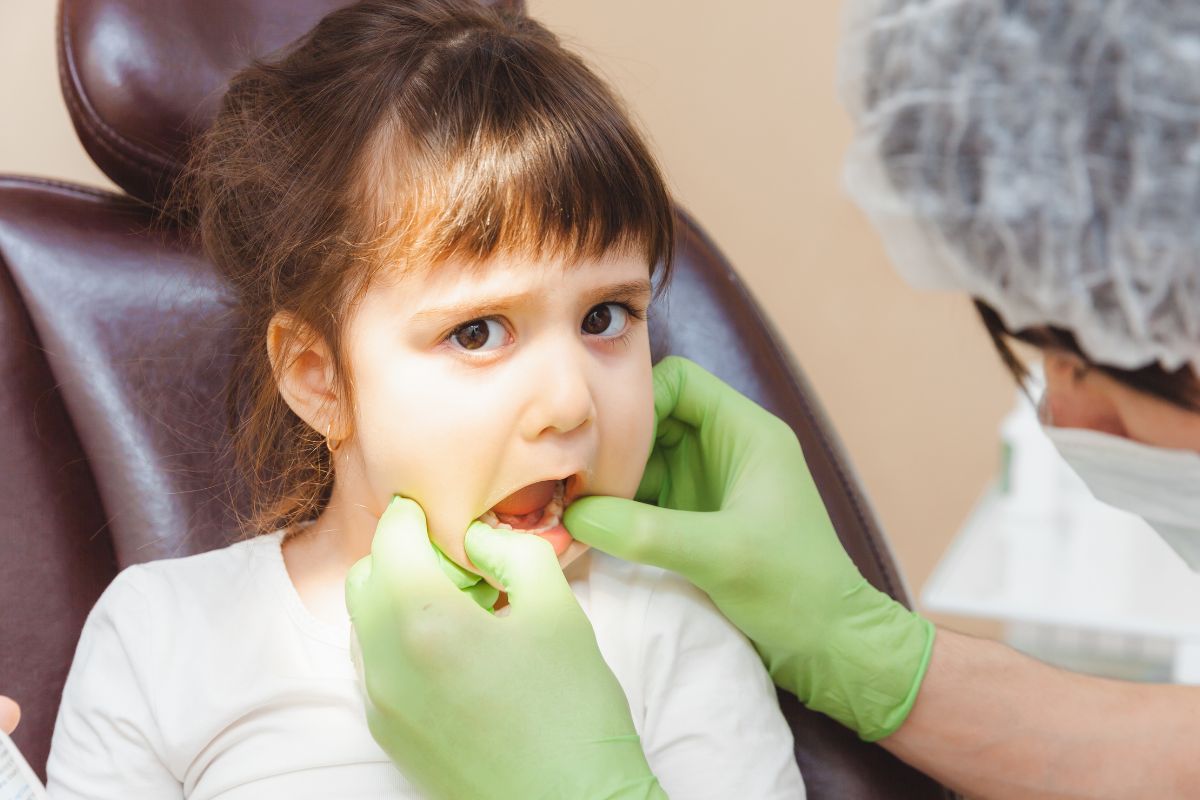
Why Kids Still Need Dental Care for Baby Teeth
A lot of parents think baby teeth aren’t that important since they’ll fall out anyway. But even though baby teeth are only temporary, they play a big part in your child’s health, development, and everyday comfort. Cavities, infections, and gum problems can still affect baby teeth and may persist even after adult teeth begin to come in. Early dental care
A lot of parents think baby teeth aren’t that important since they’ll fall out anyway. But even though baby teeth are only temporary, they play a big part in your child’s health, development, and everyday comfort.
Cavities, infections, and gum problems can still affect baby teeth and may persist even after adult teeth begin to come in. Early dental care helps children develop healthy habits while also supporting proper growth and development.
If you’re in Van, Texas, knowing why baby teeth matter can give you more confidence about bringing your kids in for regular dental checkups.
Baby Teeth Help Children Eat and Speak Properly
Baby teeth do much more than simply hold space until adult teeth arrive.
They help children:
- Chew food comfortably
- Speak clearly
- Develop proper pronunciation
- Maintain balanced jaw development
- Support facial structure
When baby teeth are lost too soon—whether from a cavity or an accident—kids might have trouble eating or learning to speak clearly.
Healthy baby teeth help kids eat, talk, and smile with confidence as they grow.
Baby Teeth Hold Space for Adult Teeth
One of the most important jobs of baby teeth is guiding permanent teeth into their proper position.
When baby teeth fall out naturally at the right time, adult teeth often have a better chance of erupting correctly. However, if a baby tooth is lost too early due to severe decay or infection, nearby teeth may shift into the empty space.
This can sometimes contribute to:
- Crowding
- Bite problems
- Alignment concerns
- Difficulty for adult teeth to erupt properly
Routine dental care helps monitor tooth development as children grow.
Cavities in Baby Teeth Can Still Cause Pain
Some parents think cavities in baby teeth aren’t a big deal since those teeth will fall out. But untreated cavities can still cause pain, infections, and make it hard for kids to eat or sleep.
Children with untreated tooth decay may experience:
- Tooth pain
- Sensitivity
- Swelling
- Trouble chewing
- Difficulty concentrating at school
Severe decay can also affect the surrounding gums and developing permanent teeth underneath.
Taking care of cavities early can help prevent bigger dental problems down the road.
Children Can Develop Gum Problems Too
Gum health is important for children and adults alike.
Plaque buildup around the gums may lead to:
- Redness
- Swelling
- Bleeding while brushing
- Bad breath
Teaching children healthy brushing and flossing habits early can support healthier gums as they grow older.
Regular dental visits also help identify hygiene concerns before they become more serious.
Early Dental Visits Help Build Healthy Habits
One major benefit of pediatric dental care is helping children become comfortable with dental visits from an early age.
Children who attend regular appointments often become more familiar with:
- Dental cleanings
- Oral hygiene routines
- Dental exams
- Healthy eating discussions
When kids have good experiences at the dentist early on, they’re less likely to feel anxious about dental visits as they get older.
Many parents find that regular checkups help kids see dental visits as a normal, healthy routine—not something scary.
Thumb Sucking and Bite Development
During early childhood, habits like thumb sucking or prolonged pacifier use can sometimes affect the development of the bite and jaw alignment.

Dentists monitor these habits because long-term pressure on developing teeth may contribute to:
- Bite misalignment
- Crowding
- Changes in jaw growth
Early evaluations allow dentists to discuss concerns with parents before problems become more noticeable.
Tooth Injuries Should Not Be Ignored
Children are active, and dental injuries can occur during sports, falls, or play.
Even if it’s just a baby tooth, any dental injury should be checked by a dentist.
A dental evaluation may help assess:
- Cracks
- Tooth movement
- Damage to surrounding tissues
- Effects on developing permanent teeth
Ignoring dental trauma may increase the risk of infection or complications later.
Diet Plays a Role in Children’s Oral Health
Frequent sugary snacks and drinks can increase the risk of cavities in children.
Foods and beverages commonly linked to tooth decay include:
- Juice
- Soda
- Sticky candy
- Sports drinks
- Frequent sugary snacks
Dentists recommend eating a balanced diet and brushing regularly to help lower the risk of cavities.
Teaching good habits early can help kids have healthier smiles as they grow up.
Baby Teeth and Self-Confidence
Healthy teeth can also affect a child’s confidence and social comfort.
If kids have visible tooth decay, broken teeth, or ongoing mouth pain, it can make them feel embarrassed or shy about smiling, talking, or hanging out with friends.
Keeping baby teeth healthy helps kids eat, talk, and feel good about themselves as they grow up.
How Often Should Kids Visit the Dentist?
Many children benefit from routine dental visits every 6 months, though some may need more frequent care depending on their oral health needs.
Routine appointments help monitor:
- Tooth development
- Cavity risk
- Gum health
- Bite alignment
- Oral hygiene habits
Preventive care allows dentists to identify small concerns before they become more complicated.
Family Dental Care
Families in Van and surrounding East Texas communities often look for dental care that supports both children and adults in a comfortable environment.
At Cornerstone Dentistry, patients receive preventive and family dental care focused on long-term oral health and patient education. The practice works with families throughout Van, Texas, to help children develop healthy dental habits from an early age.
Parents often benefit from having one trusted dental office where children and adults can receive ongoing preventive care together.
Schedule a Children’s Dental Visit
Baby teeth don’t last forever, but they’re still important for your child’s health and development. Starting dental care early helps set kids up for healthy smiles and good habits that last into adulthood.
If your child needs a checkup or you have questions about their dental health, booking a visit is a great way to keep their smile on track as they grow.
To learn more about family dental care, request an appointment or contact us for additional information.
FAQs
Why are baby teeth important if they fall out anyway?
Baby teeth help children chew and speak, and guide adult teeth into their proper positions as the mouth develops.
Can cavities in baby teeth affect adult teeth?
Yes. Severe decay and infection in baby teeth may sometimes affect the developing permanent teeth beneath them.
When should children first visit the dentist?
Many dentists recommend scheduling a child’s first dental visit during the early stages of tooth development.
How can parents help prevent cavities in kids?
Regular brushing, healthy eating habits, flossing, and routine dental visits may help reduce the risk of cavities.
What happens if a child loses a baby tooth too early?
Early tooth loss may affect spacing and alignment as permanent teeth begin to erupt.