299 Quail St, Van, TX 75790


What You Need to Know About Emergency Root Canals: Advice from a Van Dentist
in Van, TX

What You Need to Know About Emergency Root Canals: Advice from a Van Dentist
Emergency root canals can be a stressful situation. But with the right information and a qualified dentist, you can get through it. Here’s what you need to know about emergency root canals.
Understanding Emergency Root Canals: Insights from a Van Dentist
Tooth pain can be excruciating and often signals a serious issue that requires immediate attention. If you’re experiencing a severe toothache or suspect you might need an emergency root canal, knowing what to expect can ease your concerns and help you make informed decisions. At Cornerstone Dentistry Van, we offer expert care for urgent dental needs, ensuring you receive prompt and effective treatment.
What is an Emergency Root Canal?
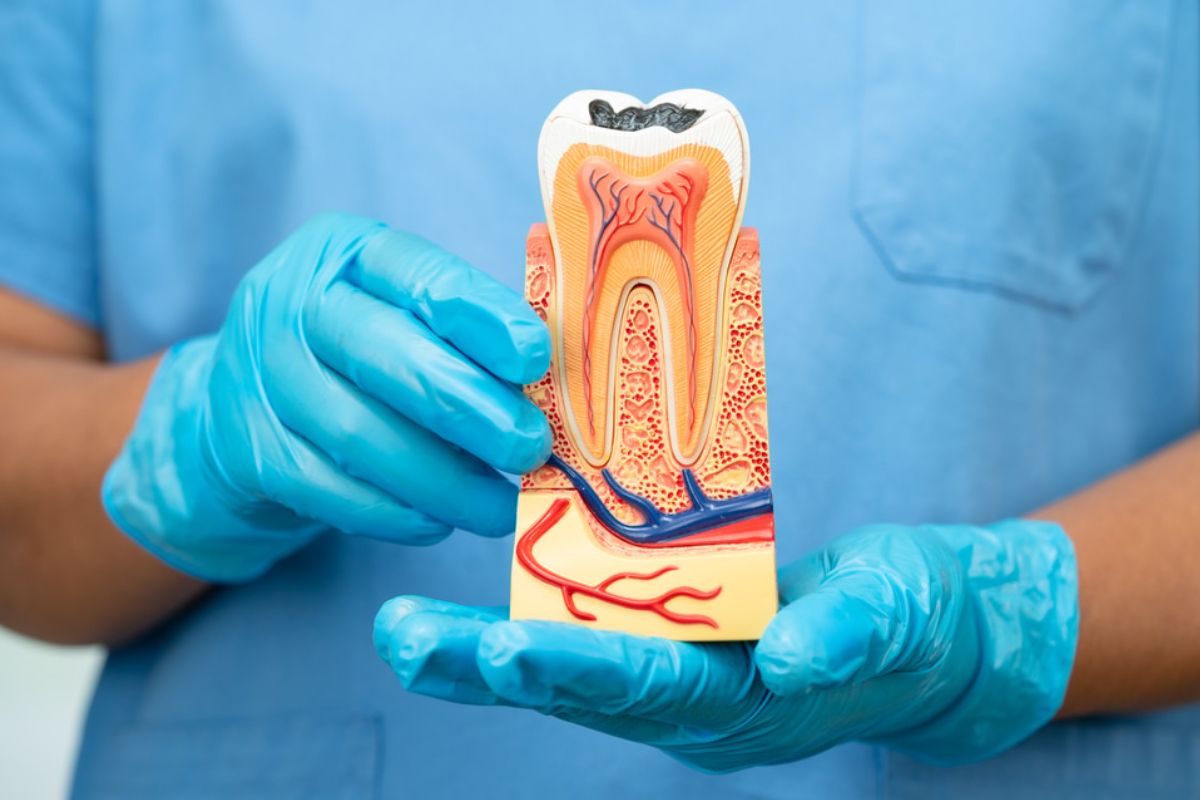
An emergency root canal is a procedure performed to save a tooth that is severely infected or damaged. This procedure involves removing the infected pulp inside the tooth, which contains nerves and blood vessels. Here’s a quick breakdown of the tooth’s anatomy relevant to the procedure:
- Enamel: The hard, outer layer of the tooth.
- Dentin: The layer beneath the enamel.
- Pulp: The soft tissue inside the tooth containing nerves and blood vessels.
When the pulp becomes infected due to deep decay, trauma, or other issues, a root canal can help preserve the tooth and prevent further damage.
Symptoms Indicating You Need a Root Canal
Recognizing the symptoms of a dental issue can help you seek timely treatment. Common signs that you might need an emergency root canal include:
- Severe Pain: Persistent pain when chewing or exposing the tooth to hot or cold.
- Discoloration: The affected tooth may change color.
- Swelling: Around the gums or face.
- Loose Tooth: A feeling that the tooth is loose or shifting.
Ignoring these symptoms can lead to more severe problems, including the spread of infection.
Why Prompt Treatment is Crucial
Delaying treatment for a tooth infection can have serious consequences. Without intervention, the infection can spread, potentially causing:
- Bone Loss: Loss of bone structure around the affected tooth.
- Wider Infection: The infection could spread to other parts of the body, leading to more severe health issues.
An emergency root canal helps prevent these complications by addressing the infection promptly.
What to Expect During an Emergency Root Canal
Here’s a step-by-step guide to the typical root canal procedure:
- Initial Examination: Your dentist will take X-rays to assess the infection.
- Anesthesia: A local anesthetic will numb the affected area.
- Cleaning: The dentist will make an incision in the tooth, remove the infected pulp, and clean the canal.
- Filling: The empty canal is filled with gutta-percha, a biocompatible material.
- Restoration: A crown or other dental restoration is placed to protect the tooth.
Most patients experience relief from pain immediately after the procedure, though some swelling and sensitivity may occur.
Recovery and Aftercare
Recovery from an emergency root canal generally involves:
- Pain Management: Over-the-counter medications like Advil or Tylenol can help manage discomfort.
- Diet: Stick to soft foods and avoid chewing on the treated side.
- Oral Hygiene: Continue to brush and floss regularly and follow up with your dentist as recommended.
Costs and Considerations
The cost of an emergency root canal can vary based on factors such as the complexity of the infection and the tooth’s location. It’s best to consult with your dentist for a precise estimate.
Myths About Root Canals
- Root Canals and Cancer: There is no evidence linking root canals to cancer; this is a myth.
- Tooth Lifespan: A properly performed root canal will save the tooth and keep it functional.
Conclusion
If you’re experiencing symptoms that might indicate the need for an emergency root canal, don’t wait. Contact a Dentist in Van to schedule an appointment and receive expert care. Our experienced team is here to help you through this procedure with minimal discomfort and effective results.
**Disclaimer: This content should not be considered medical advice and does not imply a doctor-patient relationship.