299 Quail St, Van, TX 75790


How Long Does Cosmetic Bonding Last?
in Van, TX

How Long Does Cosmetic Bonding Last?
Cosmetic bonding is one of the quickest and most affordable ways to improve the appearance of your smile. Whether you’re covering a small chip, closing a gap, or reshaping a tooth, bonding can produce noticeable results in a relatively short amount of time. One of the first questions many patients ask is, “How long does cosmetic bonding last?” The answer
Cosmetic bonding is one of the quickest and most affordable ways to improve the appearance of your smile. Whether you’re covering a small chip, closing a gap, or reshaping a tooth, bonding can produce noticeable results in a relatively short amount of time.
One of the first questions many patients ask is, “How long does cosmetic bonding last?” The answer depends on several factors, including where the bonding is placed, your daily habits, and how well you care for your teeth.
If you’ve recently searched for a dentist near me to learn more about cosmetic treatments, understanding the lifespan of cosmetic bonding can help you decide whether it’s the right solution for your smile.
This guide explains how long cosmetic bonding typically lasts, what affects its durability, and how you can keep your results looking their best.
Quick Answer
Most cosmetic bonding lasts between 5 and 10 years with proper care. Some patients enjoy even longer-lasting results, while others may need repairs or replacement sooner depending on their oral habits and the location of the bonded tooth.
Regular dental checkups and good oral hygiene play an important role in extending the lifespan of cosmetic bonding.
What Is Cosmetic Bonding?
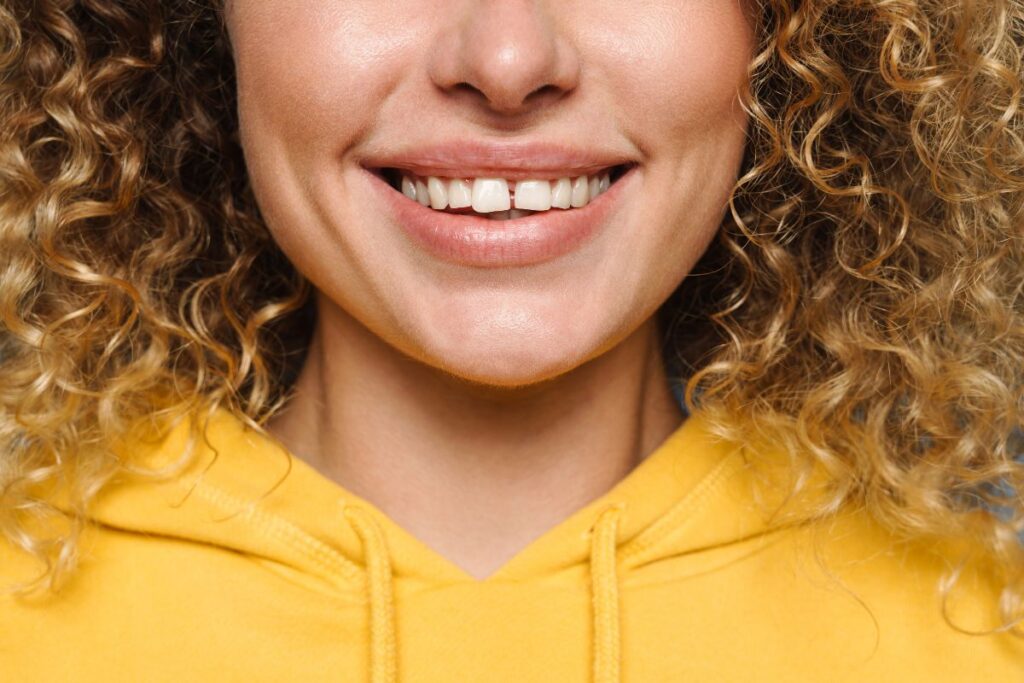
Cosmetic bonding is a procedure that uses a tooth-colored composite resin to improve the appearance of a tooth.
The material is carefully applied, shaped, and polished to blend naturally with your surrounding teeth.
Cosmetic bonding is commonly used to:
- Repair chipped or cracked teeth
- Close small gaps between teeth
- Improve tooth shape
- Cover minor discoloration
- Restore worn tooth edges
- Create a more balanced smile
Because very little natural tooth structure is removed, bonding is considered one of the most conservative cosmetic dental treatments available.
What Affects How Long Cosmetic Bonding Lasts?
Although cosmetic bonding is durable, its lifespan isn’t the same for everyone.
Several factors influence how long your results will last.
Location of the Bonding
Bonding placed on front teeth usually experiences less biting pressure than bonding on back teeth.
Teeth used for heavy chewing naturally experience more wear over time.
Daily Oral Habits
Healthy habits help protect cosmetic bonding for years.
Habits that may shorten its lifespan include:
- Biting fingernails
- Chewing ice
- Opening packages with your teeth
- Biting pens or pencils
- Grinding or clenching your teeth
Reducing these habits helps minimize unnecessary stress on the bonded tooth.
Oral Hygiene
Brushing twice a day, flossing daily, and scheduling regular dental cleanings help maintain both your natural teeth and cosmetic bonding.
Keeping plaque under control also supports healthy gums, which contribute to a healthy-looking smile.
Food and Beverage Choices
Composite resin can become stained over time.
Frequently consuming dark-colored beverages or foods may gradually affect the appearance of bonded teeth.
Common staining foods and drinks include:
- Coffee
- Tea
- Red wine
- Dark sodas
- Berries
- Tomato-based sauces
Enjoying these in moderation and rinsing with water afterward may help reduce staining.
Can Cosmetic Bonding Be Repaired?
Quick Answer
Yes. One advantage of cosmetic bonding is that it can often be repaired if it becomes chipped, worn, or stained.
Unlike some cosmetic treatments that require complete replacement, bonding can frequently be touched up by adding or reshaping composite resin.
Your dentist will evaluate the condition of the bonded tooth and recommend whether a simple repair or replacement is the better option.
How Can You Make Cosmetic Bonding Last Longer?
Although no cosmetic treatment lasts forever, a few simple habits can help you enjoy your results for many years.
Tips for extending the life of cosmetic bonding:
- Brush twice daily using fluoride toothpaste.
- Floss every day.
- Wear a nightguard if you grind your teeth.
- Avoid chewing hard objects.
- Schedule routine dental examinations.
- Maintain healthy eating habits.
- Address small chips before they become larger problems.
Patients who consistently care for their teeth often enjoy longer-lasting cosmetic results.
Is Cosmetic Bonding Right for Everyone?
Cosmetic bonding works well for many patients with minor cosmetic concerns, but it isn’t always the best solution.
The ideal treatment depends on:
- Your smile goals
- The condition of your teeth
- Your bite
- Your oral health
- The size and location of the cosmetic concern
If you’re interested in learning whether bonding is right for you, you can explore the cosmetic bonding treatment options available through our cosmetic dentistry services.
When Might Cosmetic Bonding Not Be the Best Choice?
Cosmetic bonding is an excellent option for many patients, but it isn’t the right solution for every smile.
Depending on your dental needs, another cosmetic treatment may provide longer-lasting or more predictable results.
Your dentist may recommend a different option if you:
- Have extensive tooth damage.
- Want to change the appearance of multiple teeth.
- Frequently grind or clench your teeth.
- Have significant bite alignment issues.
- Are looking for a smile makeover with maximum stain resistance.
A personalized consultation helps determine which cosmetic treatment is most appropriate for your oral health and long-term goals.
Cosmetic Bonding vs. Veneers
Patients often compare cosmetic bonding and veneers because both improve the appearance of teeth. While they share similar goals, they differ in durability, treatment time, and ideal use.
Cosmetic Bonding
- Typically completed in one appointment.
- Requires little to no enamel removal.
- Ideal for small cosmetic corrections.
- Can often be repaired if damaged.
- Usually lasts 5–10 years with proper care.
Porcelain Veneers
- Custom-made for each patient.
- Often require two or more appointments.
- Better suited for multiple cosmetic concerns.
- Highly stain-resistant.
- Frequently last 10–15 years or longer with good oral hygiene.
Choosing between the two depends on your smile goals, lifestyle, and the condition of your teeth rather than one treatment being universally better.
Signs Your Cosmetic Bonding May Need Attention
Even with excellent care, cosmetic bonding can wear over time.
You should schedule a dental evaluation if you notice:
- Chipping or cracking.
- Rough edges.
- Staining that doesn’t improve with professional cleaning.
- Changes in the way your bite feels.
- Bonding that becomes loose or uneven.
Addressing small concerns early may help prevent more extensive repairs later.
Does Cosmetic Bonding Require Special Maintenance?
The good news is that cosmetic bonding doesn’t require complicated maintenance.
Caring for bonded teeth is very similar to caring for your natural teeth.
To help protect your smile:
- Brush twice each day.
- Floss daily.
- Visit your dentist for regular exams and cleanings.
- Wear a mouthguard during sports.
- Use a nightguard if you grind your teeth.
- Avoid using your teeth as tools to open packages or bottles.
Simple daily habits can make a noticeable difference in preserving both the appearance and durability of cosmetic bonding.
Ready to Improve Your Smile?
Whether you’re repairing a chipped tooth, closing a small gap, or enhancing the appearance of your smile, understanding your treatment options is the first step toward making a confident decision.
At Cornerstone Dentistry, we provide personalized cosmetic dental care for patients in Van, TX, as well as nearby communities including Lindale, Canton, Mineola, Grand Saline, and Tyler. We’ll evaluate your smile, discuss your goals, and recommend the treatment that best fits your needs.
Schedule Your Cosmetic Consultation
Have questions about cosmetic bonding or wondering if it’s the right treatment for you?
Call +1 (903) 920-0112 to schedule your consultation and learn more about your smile enhancement options.
Frequently Asked Questions
1. How long does cosmetic bonding usually last?
With proper care, cosmetic bonding typically lasts 5 to 10 years. Its lifespan depends on the location of the bonding, your oral hygiene, and everyday habits such as teeth grinding or chewing hard objects.
2. Can cosmetic bonding stain over time?
Yes. Composite resin can gradually stain from coffee, tea, red wine, tobacco, and other dark-colored foods and drinks. Regular cleanings and good oral hygiene can help maintain its appearance.
3. Is cosmetic bonding permanent?
No. Cosmetic bonding is considered a long-lasting cosmetic treatment, but it isn’t permanent. It may eventually need to be repaired or replaced due to normal wear.
4. Can chipped cosmetic bonding be repaired?
In many cases, yes. Minor chips or damage can often be repaired by adding or reshaping composite resin, depending on the condition of the bonded tooth.
5. Is cosmetic bonding a good choice for fixing chipped teeth?
Yes. Cosmetic bonding is commonly recommended for repairing small chips, closing minor gaps, reshaping teeth, and improving the overall appearance of a smile.