299 Quail St, Van, TX 75790


How Long Do Dental Implants Last? What Van Patients Should Know
in Van, TX
How Long Do Dental Implants Last? What Van Patients Should Know
How long do dental implants last, and what should Van patients know before choosing this tooth replacement option? This is one of the most common questions patients ask when considering implant treatment or caring for an existing restoration. Understanding implant longevity can help you make informed decisions about your oral health. At our dental office located in Van, Dr. Benjamin
How long do dental implants last, and what should Van patients know before choosing this tooth replacement option? This is one of the most common questions patients ask when considering implant treatment or caring for an existing restoration. Understanding implant longevity can help you make informed decisions about your oral health.
At our dental office located in Van, Dr. Benjamin helps patients understand how implants work, what affects their lifespan, and how proper care protects their investment. For patients considering dental implants in Van, knowing the factors behind long-term success can provide clarity before beginning treatment.
This guide explains implant durability, maintenance steps, warning signs, and what patients throughout Van and nearby communities should know.
How Long Do Dental Implants Usually Last?
Dental implants can often last 20 years or longer with proper care, while the implant post may remain functional for a lifetime in many cases. The crown, bridge, or denture attached to the implant may need replacement over time due to normal wear.
Unlike traditional tooth replacement options, implants replace the missing tooth root with a titanium post that integrates with the jawbone. This process, known as osseointegration, creates a stable foundation for the restoration placed on top.
The lifespan of an implant depends on several factors, including:
- Daily oral hygiene habits
- Regular dental checkups
- Gum health
- Bone quality
- Bite forces
- Lifestyle habits
- Overall health conditions
Patients often ask whether implants require the same care as natural teeth. The answer is yes. Although implants cannot develop cavities, the surrounding gums and bone still require consistent attention.
For patients exploring dental implants, understanding long-term maintenance is just as important as understanding the procedure itself.
What Makes Dental Implants a Long-Term Tooth Replacement Option?
Dental implants are designed to closely mimic natural teeth by replacing both the missing tooth root and visible tooth structure. This approach helps maintain jawbone support and improves chewing function.
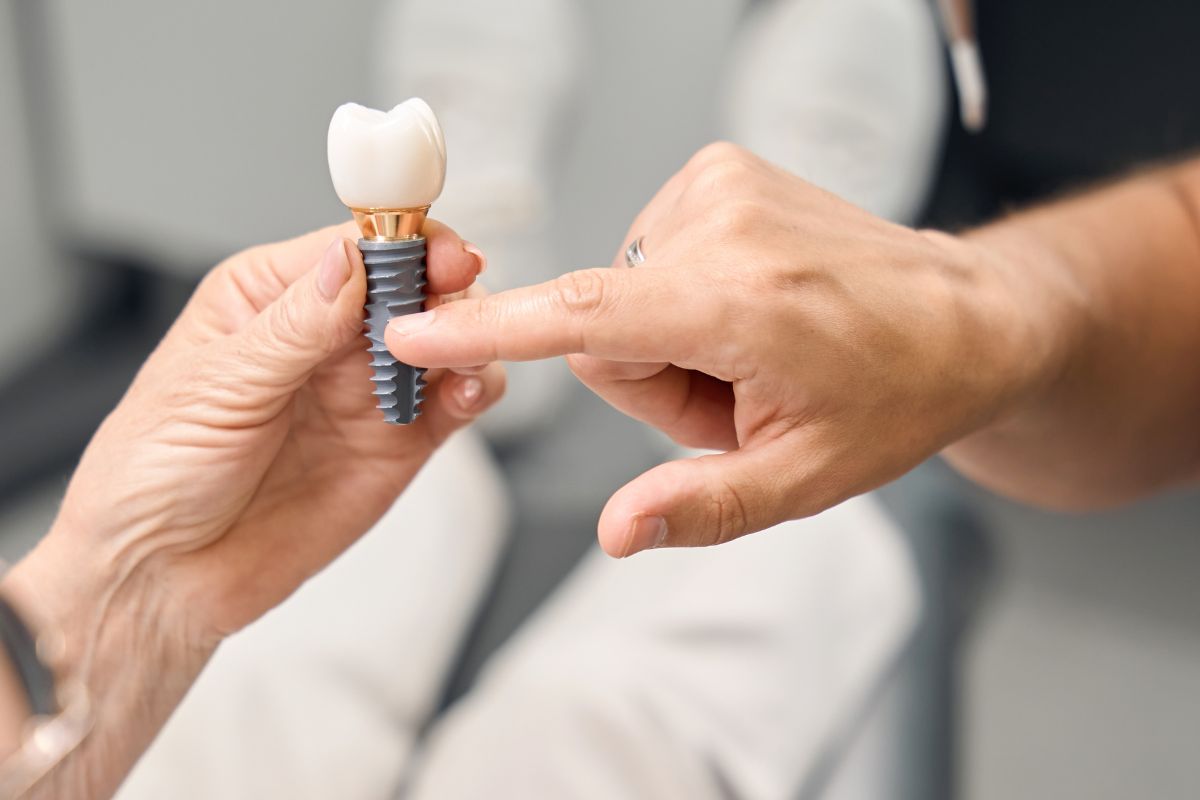
A complete implant restoration usually includes three components:
Implant Post
The titanium post is placed into the jawbone and acts as an artificial tooth root. Once healed, it provides stability for the final restoration.
Abutment
The abutment connects the implant post to the crown or other restoration. It supports the visible portion of the replacement tooth.
Dental Crown or Restoration
The crown restores the appearance and function of the missing tooth. Over time, this component may experience wear and require replacement.
Many patients delay treatment because they wonder if missing teeth can wait. However, untreated tooth loss can contribute to bone loss, shifting teeth, and changes in bite function. A professional evaluation can help determine the right timing for care.
What Factors Affect How Long Dental Implants Last?
How Does Oral Hygiene Impact Implant Longevity?
Daily care plays a major role in protecting the health of the implant. Patients should brush twice daily, clean between teeth, and maintain regular professional cleanings.
Poor oral hygiene can allow bacteria to accumulate around the implant area. This may lead to peri-implant disease, a condition that affects the tissues supporting an implant.
Common habits that support implant longevity include:
- Brushing with fluoride toothpaste
- Cleaning around the implant restoration
- Using recommended interdental cleaning tools
- Attending routine dental visits
- Addressing gum inflammation early
Does Bone Health Affect Implant Success?
The jawbone supports the implant post. Patients with reduced bone density may need additional evaluation before treatment.
Bone loss can occur after missing teeth because the jaw no longer receives stimulation from natural tooth roots. A dentist may recommend procedures such as bone grafting when additional support is needed.
Do Lifestyle Habits Impact Implant Lifespan?
Certain habits may affect healing and long-term implant health.
Factors that may influence implant durability include:
- Smoking or tobacco use
- Teeth grinding or clenching
- Poor nutrition
- Untreated gum problems
Patients who grind their teeth may benefit from a custom night guard to reduce pressure on their restoration.

How Can You Extend the Lifespan of Your Dental Implants?
The best way to extend implant longevity is through consistent home care, routine dental visits, and early attention to changes around the implant area.
Many patients believe implants do not require maintenance because they cannot decay. However, the tissues supporting implants still need protection.
To help your implants last longer:
1. Maintain Regular Dental Visits
Routine examinations allow your dental provider to monitor implant stability, gum health, and surrounding teeth.
2. Follow Proper Cleaning Techniques
Use recommended brushing and flossing methods to remove plaque around the implant restoration.
3. Protect Against Excessive Bite Pressure
If you grind your teeth, discuss protective options with your dental provider.
4. Address Problems Early
Loose restorations, gum irritation, discomfort, or changes in your bite should receive professional attention.
Patients often find that ongoing preventive care makes a significant difference in protecting their restorations.
What Are Signs That Your Dental Implant Needs Attention?
Most implants function comfortably for many years, but changes should not be ignored.
Contact a dental professional if you notice:
- Looseness around the implant crown
- Gum swelling or bleeding
- Persistent discomfort
- Changes in your bite
- Difficulty chewing
- Receding gums around the implant
These signs do not always mean the implant has failed. Early evaluation can help identify the cause and determine the appropriate next step.
Patients seeking tooth implants should consider both treatment quality and long-term maintenance support when choosing a dental provider.
Can Dental Implants Fail After Several Years?
Yes, implants can experience complications after years of use, but many issues can be managed when detected early. Implant failure may occur due to infection, bone changes, excessive pressure, or lack of maintenance.
A common misconception is that implant problems happen immediately after placement. In reality, some concerns develop gradually as oral health changes.
Examples of potential long-term concerns include:
- Peri-implantitis affecting the surrounding tissues
- Bone loss around the implant
- Damage to the crown or restoration
- Changes in bite alignment
Regular monitoring helps identify these concerns before they become more complex. At our practice, patients receive guidance on protecting their restorations through every stage of implant care.
What Should Van Patients Consider Before Choosing Dental Implants?
Choosing implant treatment involves more than replacing a missing tooth. Patients should understand their oral health condition, treatment timeline, and long-term responsibilities.
Before moving forward, consider:
- Your current gum health
- Available jawbone support
- Existing dental conditions
- Your oral hygiene routine
- Your goals for restoring your smile
A consultation allows a dentist to evaluate your needs and explain whether implants are appropriate for your situation.
For patients looking into dental implants, a thorough evaluation provides important information before starting treatment. The right approach focuses on creating a healthy foundation and maintaining it over time.
Patients who are ready to discuss their options can book an appointment with us for professional guidance on implant treatment and ongoing care.
How Much Maintenance Do Dental Implants Need?
Dental implants do not require special products in most cases, but they do require consistent care. Patients should treat their implant restoration as they would natural teeth.
A long-term maintenance plan may include:
- Professional cleanings
- Implant evaluations
- X-rays when needed
- Monitoring gum and bone health
- Adjustments to restorations when necessary
Patients who already have implants should continue routine visits instead of waiting for discomfort. Preventive care helps protect the supporting structures around the restoration.
Protect Your Dental Implant Investment With Professional Care
Dental implants can provide long-term support for patients who have lost teeth, but their longevity depends on proper planning, healthy habits, and ongoing maintenance. Understanding what affects implant lifespan helps patients make confident decisions about their oral health.
At Cornerstone Dentistry, Dr. Benjamin works with patients to evaluate implant needs, provide post-treatment guidance, and support long-term oral health. If you are considering dental implants in Van or need care for an existing restoration, visit our dental office to discuss your options and create a plan for maintaining your smile for years to come.
Frequently Asked Questions
How many years can a dental implant last?
A dental implant post can often remain functional for many years when patients maintain proper oral hygiene and attend routine dental visits. The crown or restoration attached to the implant may need replacement over time because of normal wear, bite pressure, or changes in oral conditions.
Do dental implants need to be replaced?
The implant post itself may not need replacement if it remains healthy and stable. However, the visible restoration may require repair or replacement after years of use. Regular dental evaluations help determine when maintenance or restoration updates are needed.
Can poor oral hygiene damage dental implants?
Yes, poor oral hygiene can affect the tissues surrounding an implant. Although implants cannot develop cavities, bacteria buildup can contribute to gum inflammation and bone problems. Consistent brushing, cleaning between teeth, and professional care help protect the health of implants.
Are dental implants better than dentures for long-term use?
Dental implants and dentures serve different needs. Implants provide a stable foundation that supports chewing function and jawbone health. A dental professional can evaluate your oral condition and explain which option aligns with your needs.
How do I know if my implant is failing?
Signs that require evaluation may include movement, discomfort, swelling, bleeding, or changes in chewing. These symptoms do not always mean implant failure, but a dental professional should examine the area to determine the cause and recommend appropriate care.