299 Quail St, Van, TX 75790


What Should You Do If a Dental Crown Falls Out?
in Van, TX

What Should You Do If a Dental Crown Falls Out?
A dental crown can come loose or fall out unexpectedly, leaving you wondering what to do next. It may happen while eating, brushing, or without any obvious warning. Even if the tooth does not hurt, the situation should not be ignored because the crown was protecting the tooth underneath it. Knowing how to handle the crown and the exposed tooth
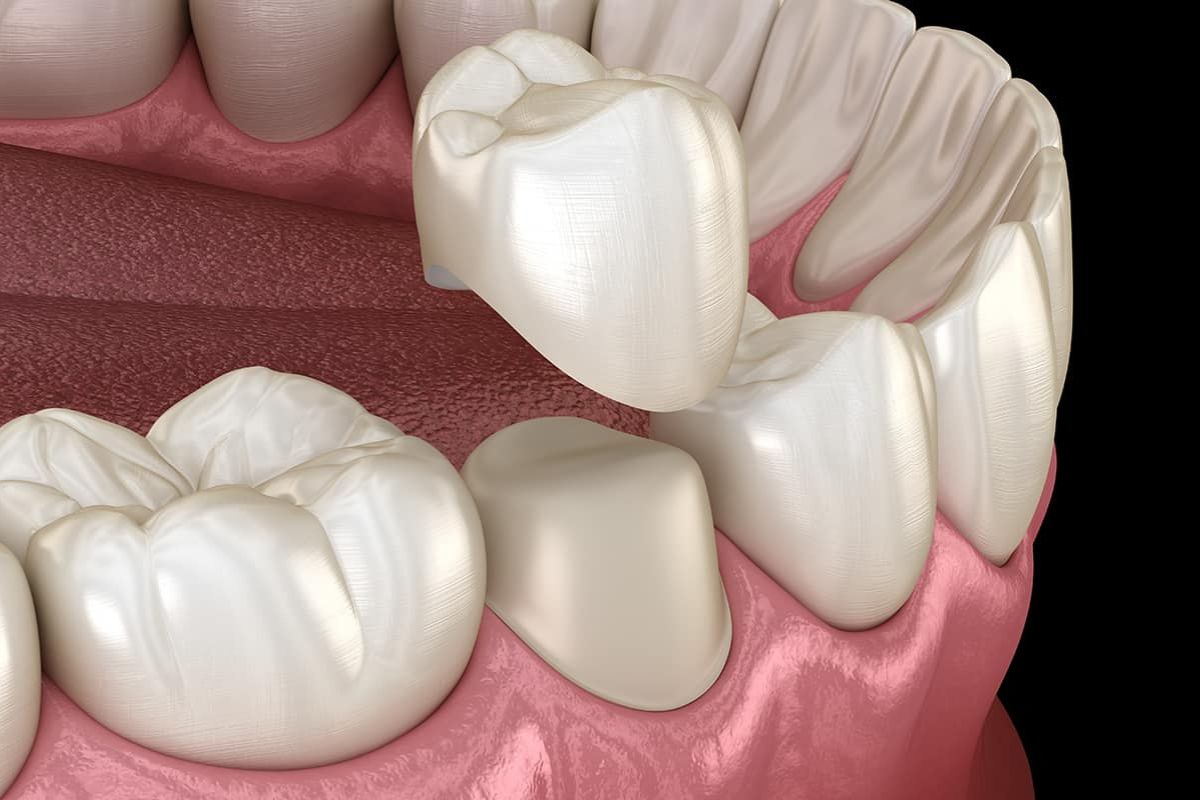
A dental crown can come loose or fall out unexpectedly, leaving you wondering what to do next. It may happen while eating, brushing, or without any obvious warning. Even if the tooth does not hurt, the situation should not be ignored because the crown was protecting the tooth underneath it. Knowing how to handle the crown and the exposed tooth can help prevent additional damage while you arrange dental care.
For people in Van, TX, a loose or missing crown is something that can be evaluated by a local dental office. Cornerstone Dentistry provides dental care in the Van area and can examine the crown, the tooth underneath it, and the surrounding structures to determine what caused the crown to come loose and what should happen next.
What Should You Do When a Dental Crown Falls Out?
When a dental crown falls out, keep the crown, gently rinse your mouth, protect the exposed tooth, and contact your dental office for an evaluation. The next step depends on why the crown came out and the condition of both the restoration and the underlying tooth.
1. Find and Save the Crown
If you can locate the crown, place it in a clean container and bring it with you. Don’t throw it away simply because it has fallen out.
The dentist can determine whether the restoration is still intact and potentially usable.
2. Rinse Your Mouth
Gently rinse with lukewarm water to remove food particles or debris. Avoid aggressively scrubbing the exposed tooth or repeatedly touching the area.
3. Be Careful When Eating
Until the tooth has been evaluated, try not to put heavy chewing pressure on it. Hard or sticky foods can cause additional irritation or damage.
4. Arrange an Evaluation
Even when there is no pain, the underlying tooth may need attention. Getting it checked allows the dentist to determine whether the crown can be restored or whether another issue caused it to come loose.
What Should You Avoid Doing?
A common reaction after losing a crown is to try to fix it immediately. Some DIY approaches can create more problems.
Do not use household glue to permanently attach a dental crown. Glue is not designed for use inside the mouth and can damage the restoration or tooth.
Also avoid:
- Forcing the crown back into position
- Biting down repeatedly to test whether it fits
- Chewing hard foods on the exposed tooth
- Ignoring the problem because there is no pain
- Attempting to reshape the crown yourself
If a temporary dental repair product is being considered, it is better to follow advice from your dental professional rather than choosing an adhesive on your own.
Why Do Dental Crowns Fall Out?
A crown can become loose for several different reasons, and identifying the cause is important if you want to prevent the same problem from happening again.
Cement or Bonding Failure
The material holding the crown in place can weaken over time. Normal chewing forces may eventually cause the restoration to loosen.
Tooth Decay
Decay can develop around the edges or underneath a crown. If enough tooth structure becomes compromised, the crown may lose the support it needs.
A Damaged Tooth
A tooth supporting a crown can crack or fracture. In some cases, the change in the tooth itself can cause the restoration to become unstable.
Crown Damage
The crown itself may become cracked, fractured, worn, or otherwise compromised.
Teeth Grinding or Clenching
Repeated excessive forces from grinding or clenching can place additional stress on crowns and the teeth supporting them.

Changes in the Bite
If the way your teeth come together changes, a crown may experience forces that it was not originally subjected to.
The important point is that a crown falling out is a symptom, not necessarily the diagnosis. The underlying cause needs to be identified.
Can a Fallen Dental Crown Be Reused?
Sometimes, yes. A dentist may be able to re-cement an existing crown if it remains intact and the underlying tooth is healthy enough to support it.
Several factors need to be considered:
- Is the crown cracked?
- Does it still fit properly?
- Is the tooth underneath intact?
- Is there decay?
- Has the tooth changed shape?
- Is the bite placing excessive pressure on the restoration?
If the crown no longer fits or the supporting tooth has been significantly damaged, replacing the restoration or treating the tooth first may be necessary.
This is why bringing the original crown to the appointment can be useful.
What Happens to the Tooth Underneath a Missing Crown?
A crown covers and protects a prepared tooth. Once the restoration is gone, the underlying tooth may be more exposed to temperature changes, chewing forces, and the oral environment.
You may notice:
- Sensitivity to cold
- Sensitivity to hot foods or drinks
- Discomfort when chewing
- A rough or unusual feeling
- Tenderness around the tooth
Not everyone experiences symptoms immediately.
Is It Possible to Have a Problem Without Pain?
Yes. The absence of pain does not guarantee that the exposed tooth is healthy. Decay, structural damage, or other problems can sometimes exist without producing obvious symptoms at first.
That is one reason a lost crown should be evaluated even if you feel fine.
When Is a Lost Crown a Dental Emergency?
A missing crown is not automatically an emergency. However, certain symptoms indicate that you should seek urgent dental or medical attention.
Contact a dental professional promptly if you experience:
- Severe or increasing tooth pain
- Significant swelling
- Facial swelling
- A badly broken tooth
- Persistent bleeding
- Pus or drainage
- Fever accompanied by dental symptoms
Difficulty breathing or swallowing requires immediate emergency medical care.
These symptoms can indicate a more serious dental infection or injury that needs prompt attention.
What Will the Dentist Check?
When you arrive for an evaluation, the goal is not simply to put the crown back.
The dentist will first determine why it came off.
The examination may involve checking:
The Crown
The restoration is examined for cracks, fractures, wear, and changes in its shape.
The Supporting Tooth
The dentist may look for decay, cracks, weakened tooth structure, or other changes that could affect the crown’s stability.
The Fit
Even an undamaged crown may no longer fit correctly if the underlying tooth has changed.
Your Bite
The way your teeth meet can reveal whether excessive forces may be contributing to restoration problems.
The findings determine whether re-cementation, repair, replacement, or additional treatment is appropriate.
How Can You Reduce the Chance of Another Crown Falling Out?
Once the immediate problem has been addressed, maintaining the restoration becomes the long-term goal.
Keep the Crown and Surrounding Tooth Clean
Plaque accumulation around the edges of a crown can contribute to oral health problems. Continue brushing and cleaning between your teeth as recommended.
Don’t Use Your Teeth as Tools
Opening packages or biting extremely hard objects can put unnecessary stress on crowns.
Address Grinding or Clenching
If you regularly grind or clench your teeth, tell your dentist. They can determine whether additional protection may be appropriate.
Pay Attention to Changes
A crown that feels different, moves slightly, or becomes uncomfortable should be checked rather than ignored.
Keep Regular Dental Examinations
Routine dental care provides an opportunity to monitor both the crown and the tooth supporting it.
What Should You Do Right Now If Your Crown Fell Out?
If your crown has just fallen out, don’t panic.
Save the crown, gently clean the area, avoid putting unnecessary pressure on the exposed tooth, and arrange a dental evaluation.
Don’t assume the crown simply needs to be glued back in. The reason it came out can determine whether re-cementation is appropriate or whether the tooth requires additional treatment first.
Conclusion
A dental crown falling out can be inconvenient, but taking the right steps can help protect the tooth while you arrange care. Save the restoration, avoid DIY adhesives, be cautious when eating, and have both the crown and the underlying tooth examined.
Whether the crown can be reused depends on its condition and the health of the tooth beneath it. If you need a dentist in Van TX after a crown has fallen out, call (903) 920-0112 for assistance.
Frequently Asked Questions
1. Can I sleep with a tooth that has lost its crown?
Generally, you can sleep with the exposed tooth, but take care not to put pressure on it and follow any specific instructions from your dental professional. If you develop significant pain or swelling, seek prompt dental care.
2. How long can a temporary crown replacement last?
Temporary solutions are designed for short-term use and should not be treated as a permanent replacement for professional restoration. Your dentist can tell you how long a particular temporary option is appropriate.
3. Why does my crown keep coming loose?
Repeated crown loosening may be related to decay, insufficient tooth structure, bite forces, grinding, crown fit, or another underlying issue. Recurring problems should be evaluated rather than repeatedly re-cemented without finding the cause.
4. Can a crown fall out because of eating something sticky?
Sticky foods can contribute to loosening in some situations, particularly when a crown or its cement is already compromised. However, a crown coming out does not necessarily mean that the food itself caused the underlying problem.
5. Will my tooth need a root canal if the crown falls out?
Not necessarily. Losing a crown does not automatically mean the tooth needs root canal treatment. The need for additional treatment depends on the condition of the tooth, including whether there is decay, damage, or involvement of the tooth’s pulp.